Gratitude Writing Activities for Elementary Students: Meaningful Ways to Practice Thankfulness
Inside: Explore 10 meaningful gratitude writing activities for elementary students, including creative prompts, thank-you notes, journals, and Thanksgiving writing ideas.
Helping children understand and express gratitude is about more than making a list of things they’re thankful for. It’s an opportunity to encourage thoughtful reflection, develop writing skills, recognize kindness, and build stronger connections with the people and world around them.
For elementary-aged children, gratitude can be explored in many different ways. Some children enjoy writing about the people they appreciate, while others might prefer drawing, storytelling, making cards, or responding to creative writing prompts.
November is a natural time to introduce gratitude activities, especially as Thanksgiving approaches. However, learning to recognize and express appreciation is something children can practice throughout the year.
Whether you’re looking for a simple writing activity, a meaningful Thanksgiving lesson, or ways to incorporate social-emotional learning into your regular routine, these gratitude writing activities offer plenty of opportunities for elementary learners to reflect, create, and express themselves.

Why Teach Gratitude Through Writing?
Writing gives children an opportunity to slow down and think about the things, people, and experiences that matter to them.
Rather than simply saying they’re thankful, children can explore why something is important and how it makes a difference in their lives.
Gratitude writing also provides opportunities to practice important literacy skills, including:
- Developing complete sentences and organizing thoughts.
- Building descriptive vocabulary.
- Expressing ideas and personal experiences.
- Writing for different purposes and audiences.
- Practicing letter and note writing.
- Developing creative thinking and reflection skills.
For younger children, gratitude writing might begin with a drawing and a few descriptive words. Older elementary students can expand their ideas into paragraphs, journal entries, and more detailed reflections.
The goal isn’t to produce perfect writing. It’s to give children meaningful reasons to write.
10 Gratitude Writing Activities for Elementary Students
Here are ten ways to help children explore gratitude through writing. Some are simple enough to complete in a few minutes, while others can become part of a larger writing or social-emotional learning activity.
My Gratitude List
A gratitude list is one of the easiest ways to introduce the concept of thankfulness.
Ask children to think about the things they appreciate in their everyday lives. Encourage them to look beyond toys and special occasions and consider the smaller things that make their days enjoyable.
Their lists might include:
- A favorite book or story.
- Time spent playing outside.
- A pet or favorite animal.
- Someone who makes them laugh.
- A favorite family tradition.
- A cozy place to relax.
- Something new they learned.
Writing extension: Ask children to choose three things from their list and write one or two sentences explaining why each is important to them.
Younger learners can draw pictures and label them, while older students can turn their lists into short descriptive paragraphs.

People I Am Thankful For
People are often the most meaningful part of a child’s gratitude list.
This activity encourages children to think about the people who help, support, encourage, and bring happiness into their lives.
Invite children to choose someone they appreciate. It might be a family member, friend, neighbor, coach, teacher, or another important person.
Ask them to consider:
- What makes this person special?
- What is something kind they have done?
- What have they taught me?
- How do they make my life better?
Writing extension: Have children write a short paragraph about the person they chose. Encourage them to include a specific example rather than simply saying the person is nice.
This helps develop descriptive writing while encouraging children to recognize kindness in everyday interactions.
Thank-You Letters and Notes
Writing a thank-you note is a wonderful way to connect gratitude with real-world writing.
Children can practice expressing appreciation while learning how to write for a specific audience.
Have them choose someone they’d like to thank and write a short note explaining what they appreciate.
A simple thank-you note can include:
- A greeting.
- A sentence explaining what they are thankful for.
- A little more detail about why it mattered.
- A closing message.
For younger children, provide sentence starters such as:
- Thank you for…
- I really appreciate…
- It made me happy when…
- One thing I love about…
Writing extension: Encourage children to deliver their notes to the people they wrote about. This turns a writing exercise into an opportunity to spread kindness and strengthen relationships.

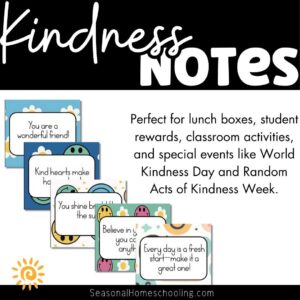
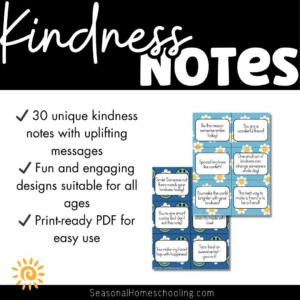
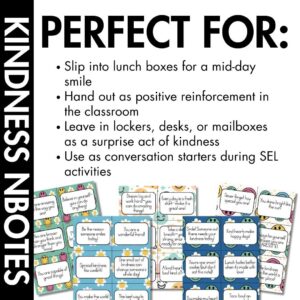
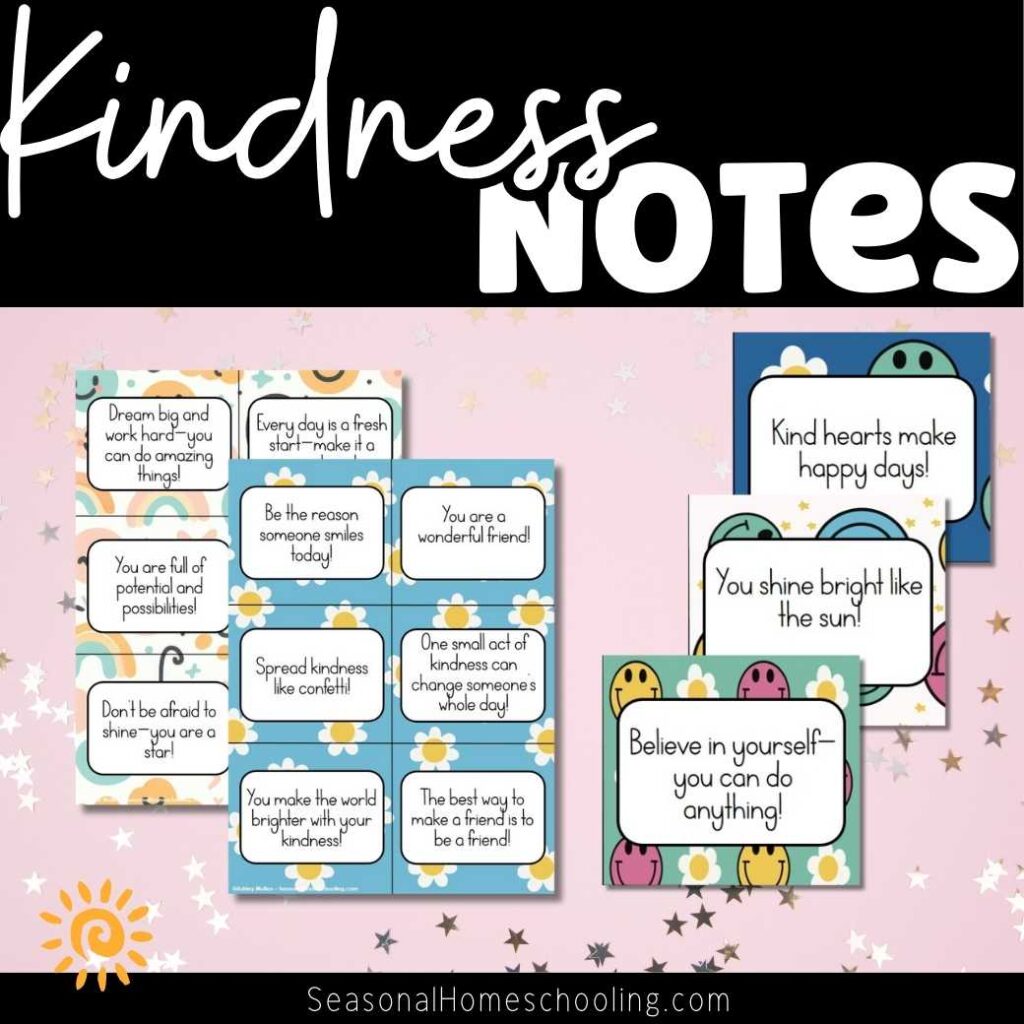
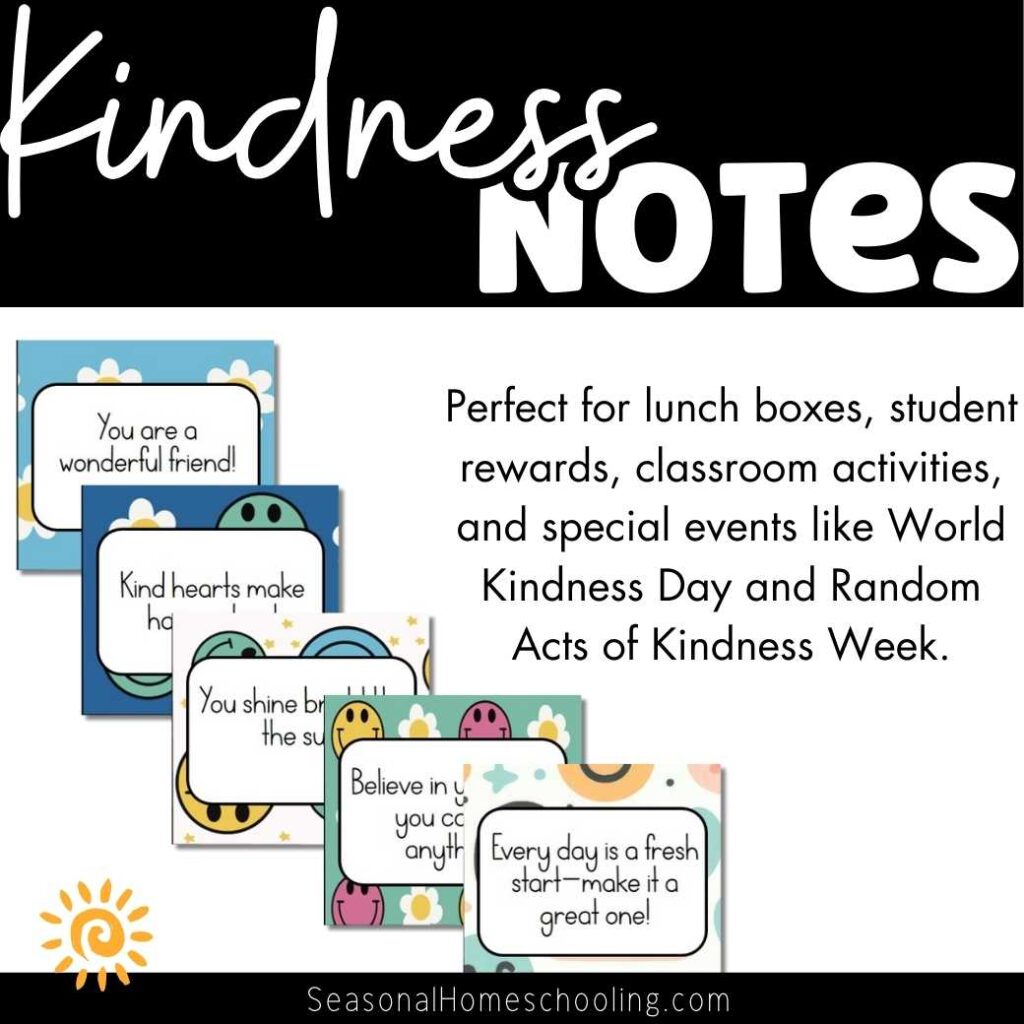
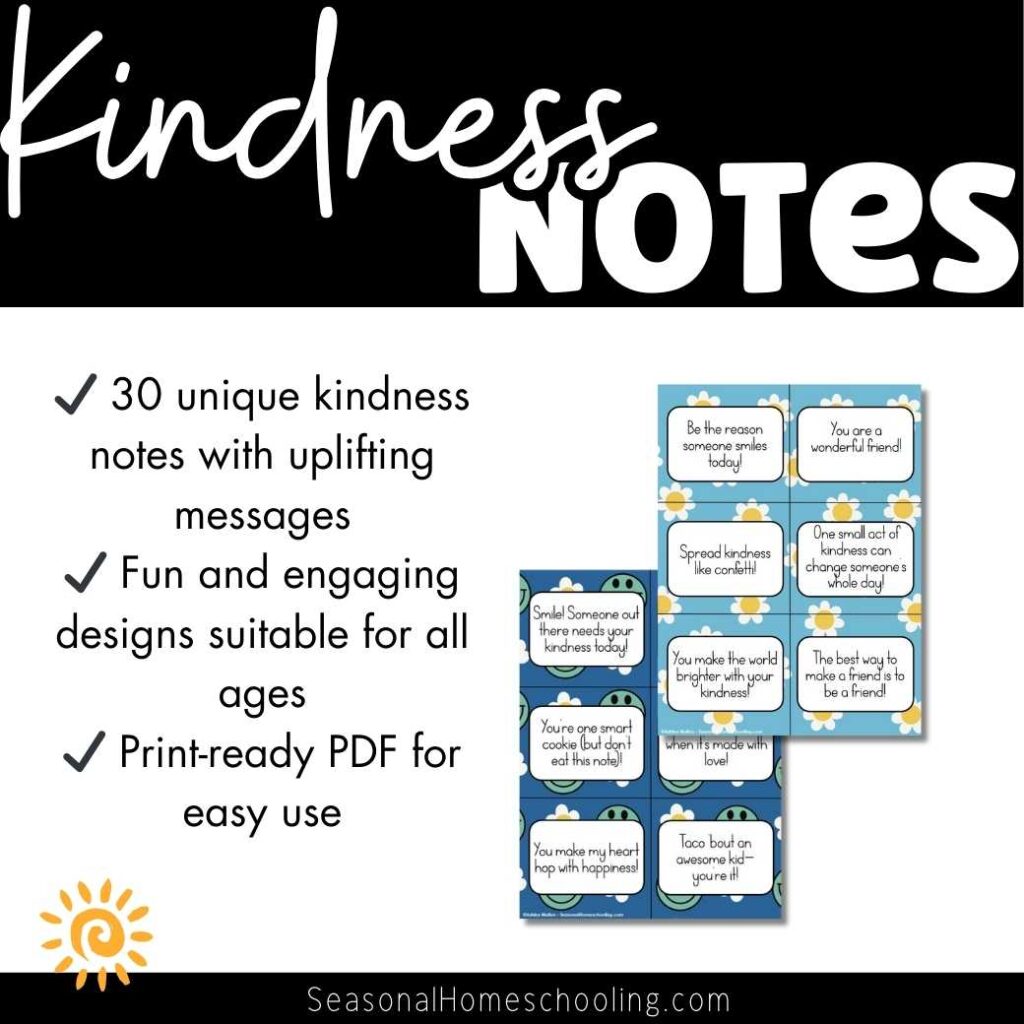
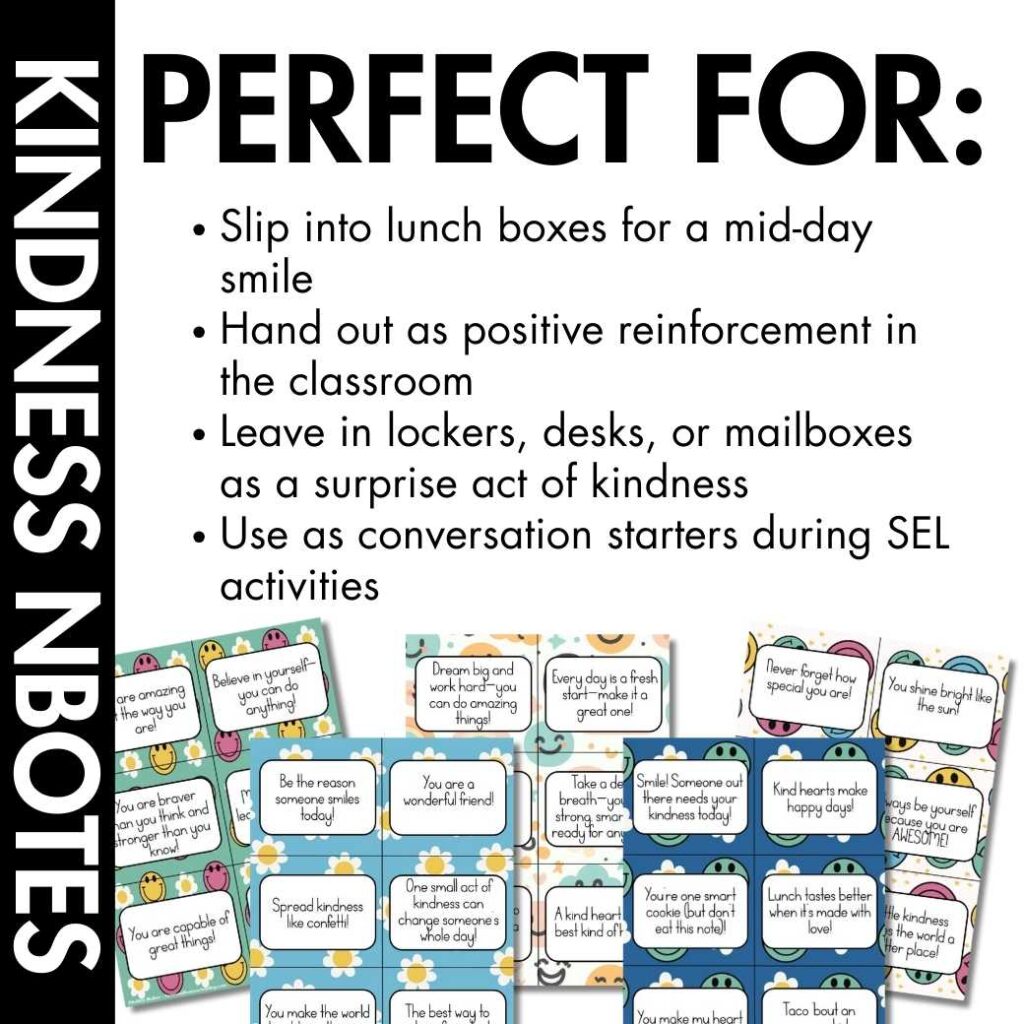
30 Kindness Notes – Lunch Box & Classroom Encouragement Cards
Spread kindness and encouragement with this set of 30 printable kindness notes! Perfect for lunch boxes, student rewards, classroom activities, and special events like World Kindness Day and Random Acts of Kindness Week, these notes are an easy way to brighten someone’s day.
The Little Things That Make Me Happy
Gratitude doesn’t always have to be about big events or important occasions. Sometimes the smallest everyday experiences are the ones children appreciate most.
For this activity, ask children to think about ordinary moments that make them happy.
Some examples might include:
- The smell of something baking.
- Jumping in autumn leaves.
- Reading a favorite story.
- Hearing birds outside.
- Playing a game with someone.
- A warm drink on a chilly day.
Writing extension: Choose one small moment and ask children to describe it using their senses.
What did they see, hear, smell, taste, or feel? Why did they enjoy it?
This activity is especially useful for practicing descriptive writing and expanding vocabulary.
If I Could Thank Someone…
This creative writing prompt encourages children to think beyond the people they interact with every day.
Ask them to imagine they could write a thank-you message to anyone or anything.
It might be:
- A historical figure.
- An inventor.
- A scientist.
- A family member from the past.
- A community helper.
- A person who made an important discovery.
They could even choose something in nature, such as trees, bees, or the sun!
Writing extension: Have children write a letter explaining what they would thank that person or thing for and how it has made a difference.
This activity can easily connect with history, science, and social studies topics.
An Alphabet of Gratitude
An alphabet gratitude activity is a fun way to combine writing, vocabulary development, and creative thinking.
Challenge children to come up with something they appreciate for every letter of the alphabet.
For example:
- A – Animals
- B – Books
- C – Camping
- D – Dogs
Continue through the alphabet, encouraging children to think creatively when they reach more challenging letters.
Writing extension: Ask children to choose five letters and write a sentence explaining why they selected each word.
For older students, challenge them to complete the entire alphabet and write a short reflection about their favorite choices.

A Gratitude Journal
A gratitude journal gives children an opportunity to practice reflection regularly. Instead of completing one long writing assignment, they can write a little at a time. Set aside a few minutes at the beginning or end of the day and invite children to respond to a simple prompt.
Some ideas include:
- Something that made me smile today was…
- Someone who helped me today was…
- Something new I learned was…
- One thing I enjoyed doing today was…
- Something beautiful I noticed was…
- A kind thing I did for someone was…
Children can write one sentence, several sentences, or a short paragraph depending on their writing abilities.
A gratitude journal can also include drawings, photographs, or small collections of things that represent meaningful experiences.

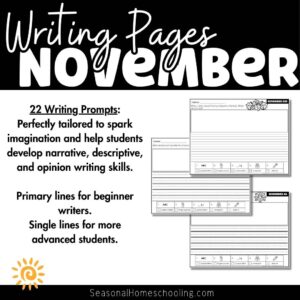
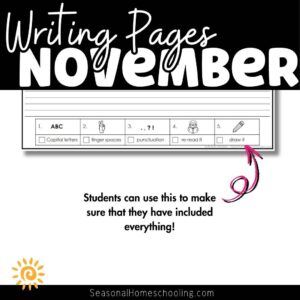
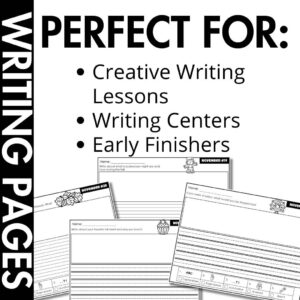
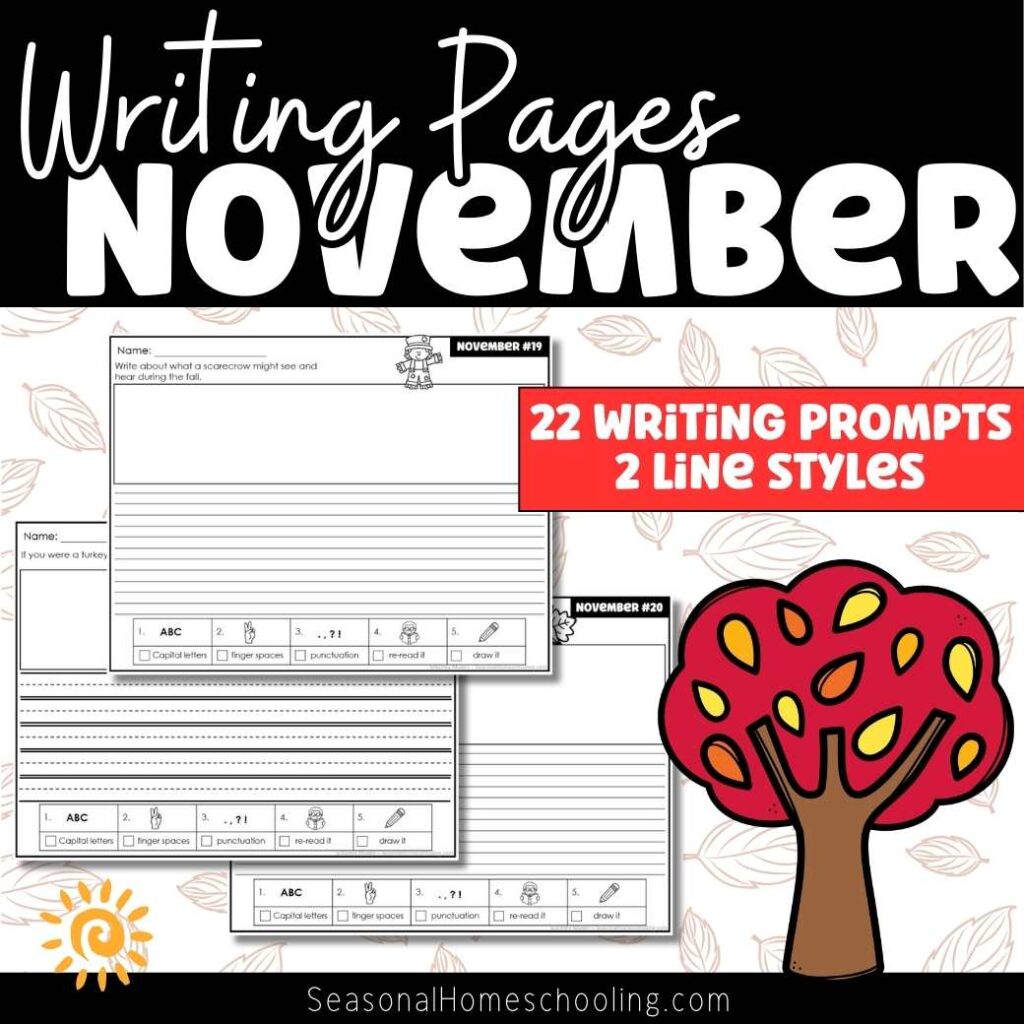
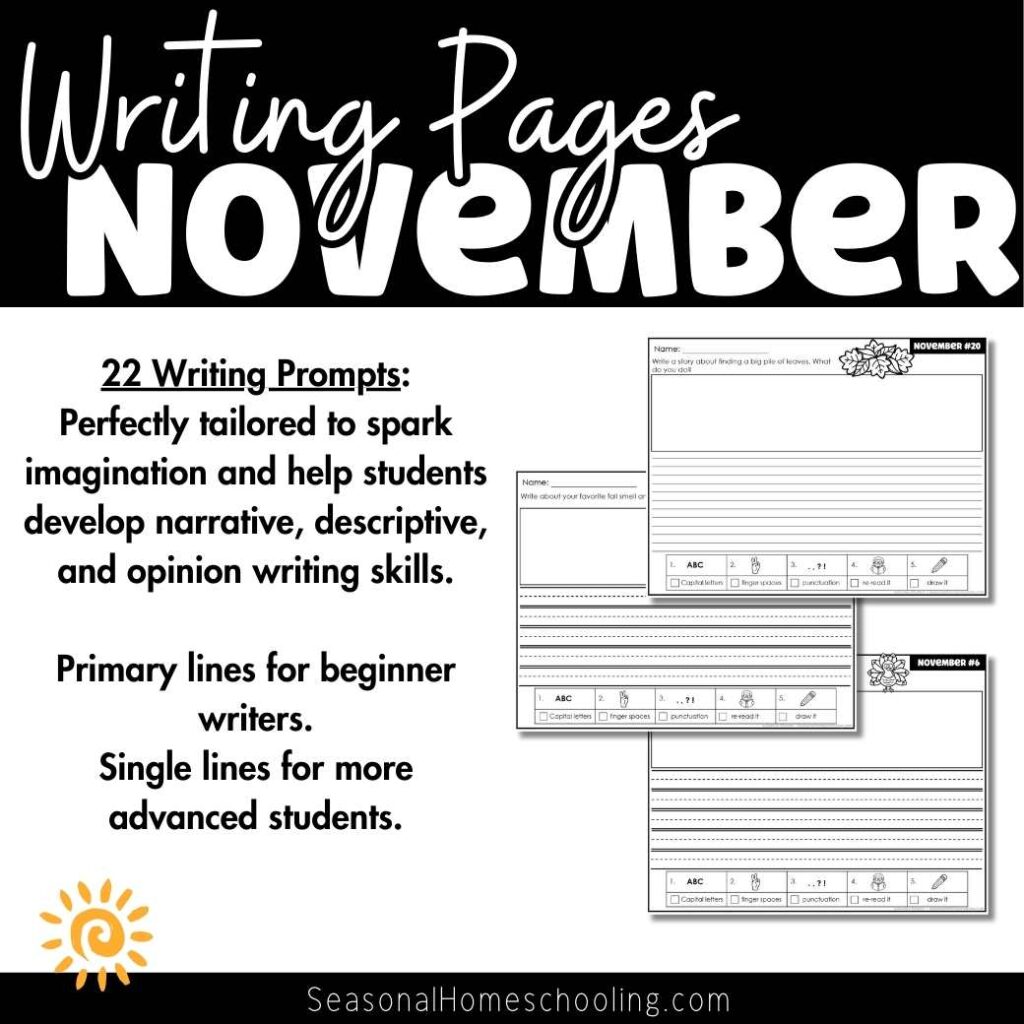
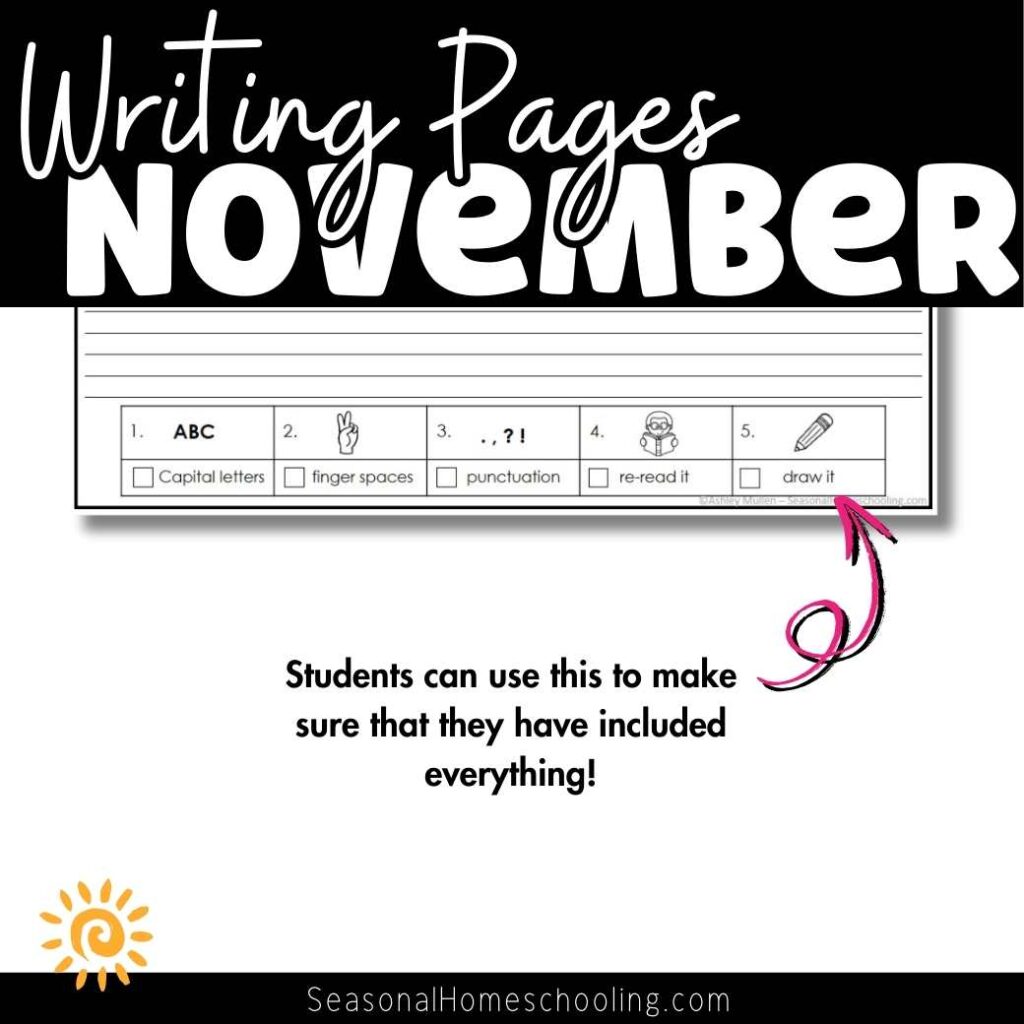
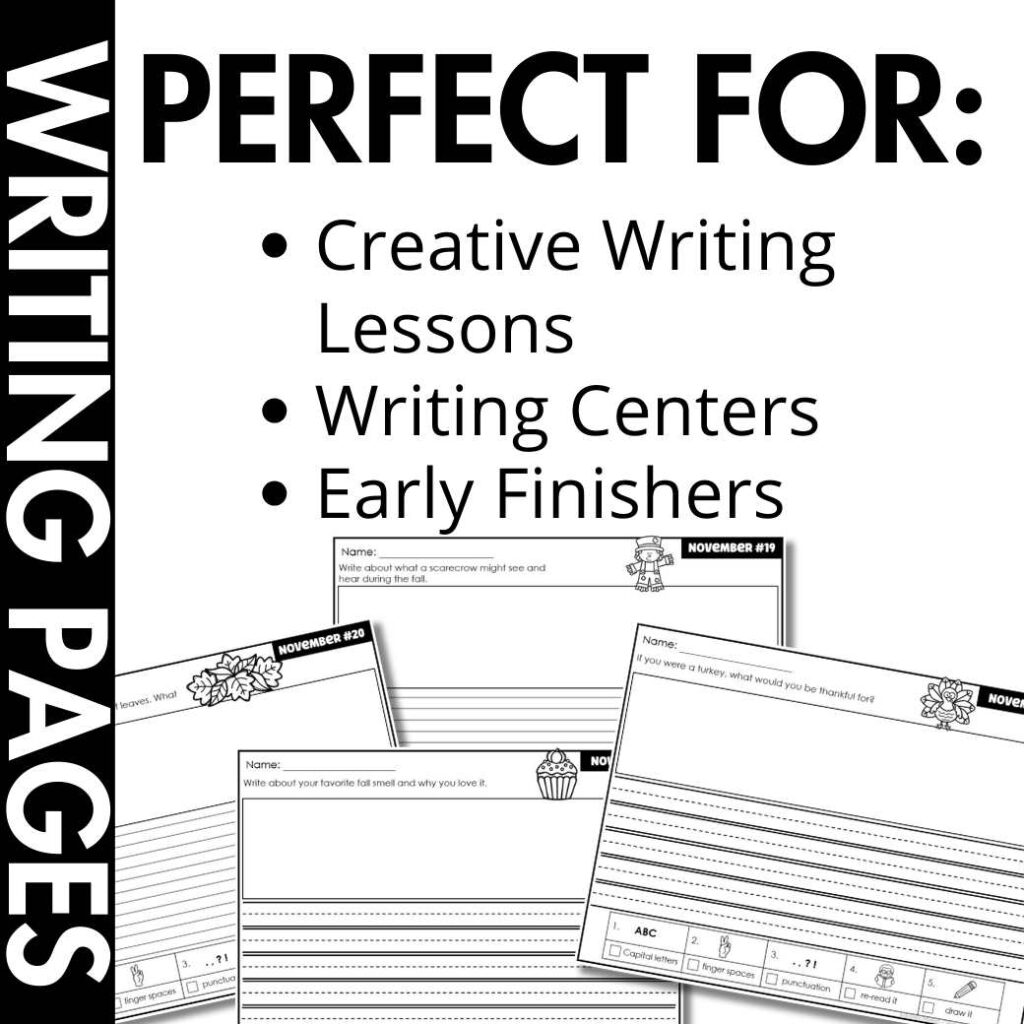
November Daily Writing Prompts | Daily Journal for 1st and 2nd Grades
Make writing engaging and meaningful this November with this set of 22 carefully crafted writing prompts, perfect for 1st and 2nd graders! These prompts focus on gratitude and the beauty of seasonal changes, encouraging young writers to reflect, imagine, and create.
What Does Gratitude Look Like?
Gratitude isn’t always something we express through words. It can also be demonstrated through our actions.
For this activity, ask children to think about what gratitude might look like in everyday situations.
For example:
- Helping someone who is having a difficult day.
- Sharing with a friend.
- Taking care of something that belongs to someone else.
- Saying thank you when someone helps.
- Including someone who feels left out.
- Helping with a task without being asked.
Writing extension: Ask children to choose one example and write a short story about a character who demonstrates gratitude through their actions.
They can include a beginning, middle, and end, describing what happened and how the character made a difference.
This is a lovely way to connect gratitude with character development and creative writing.
What Would I Miss If It Were Gone?
This activity encourages children to look at familiar parts of their lives from a different perspective.
Ask them to imagine what everyday things they might miss if they were no longer available.
It could be something as simple as their favorite breakfast, playing in the backyard, visiting a library, or spending time with someone they love.
Encourage children to think about why these things are important and what makes them special.
Writing extension: Have children complete the prompt:
“If I couldn’t have __________ anymore, I would miss it because…”
Older students can expand this into a descriptive paragraph explaining why familiar people, places, and experiences matter.
There are no right or wrong answers. The purpose is to encourage thoughtful reflection.
Create a Gratitude Story
For children who enjoy creative writing, turn gratitude into a storytelling opportunity.
Ask them to create a character who discovers something to appreciate in an unexpected way.
The story might be about:
- A child who learns to appreciate a helpful neighbor.
- An animal who discovers the importance of friendship.
- A character who finds happiness in something simple.
- Someone who learns that small acts of kindness can make a big difference.
Encourage children to develop their characters, choose a setting, and create a simple problem or challenge for their story.
Writing extension: Have children illustrate their stories and share them with someone else.
This activity combines creative writing with opportunities to explore kindness, empathy, and appreciation.

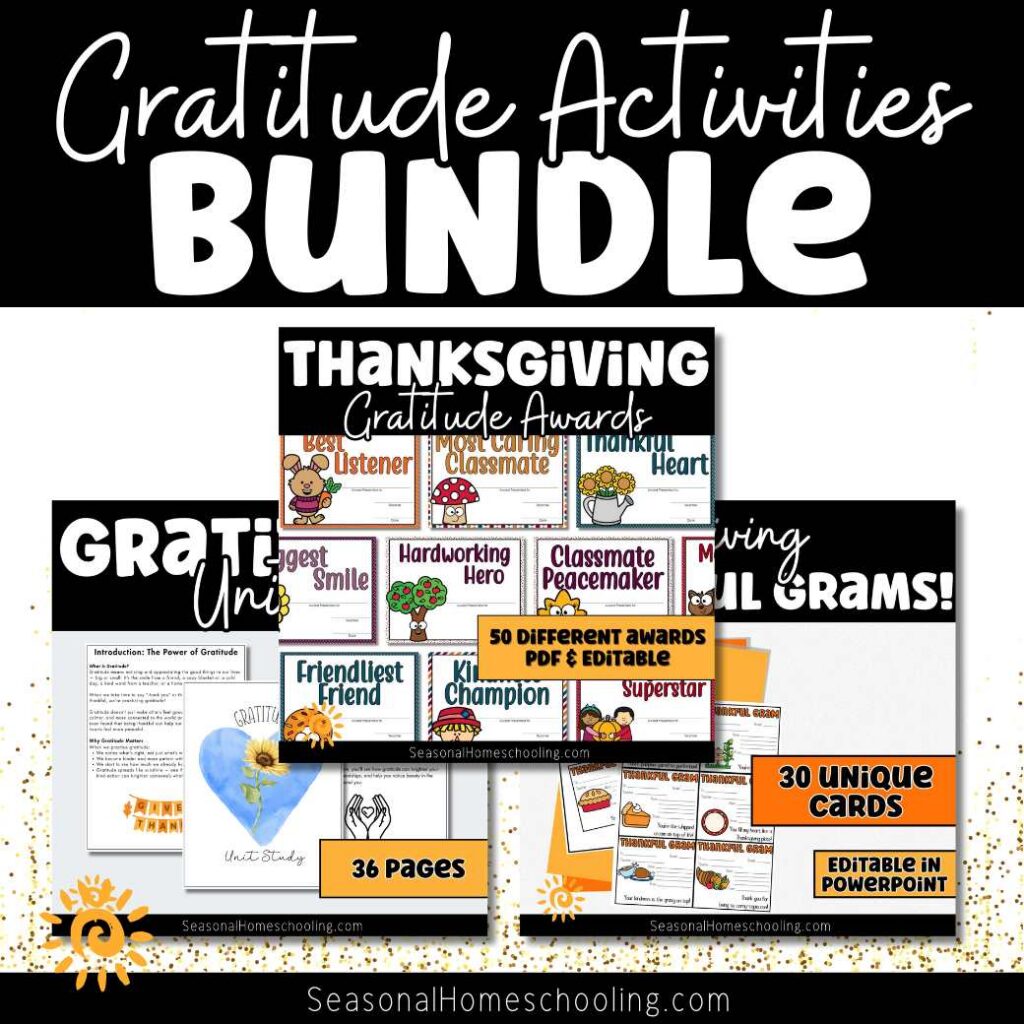
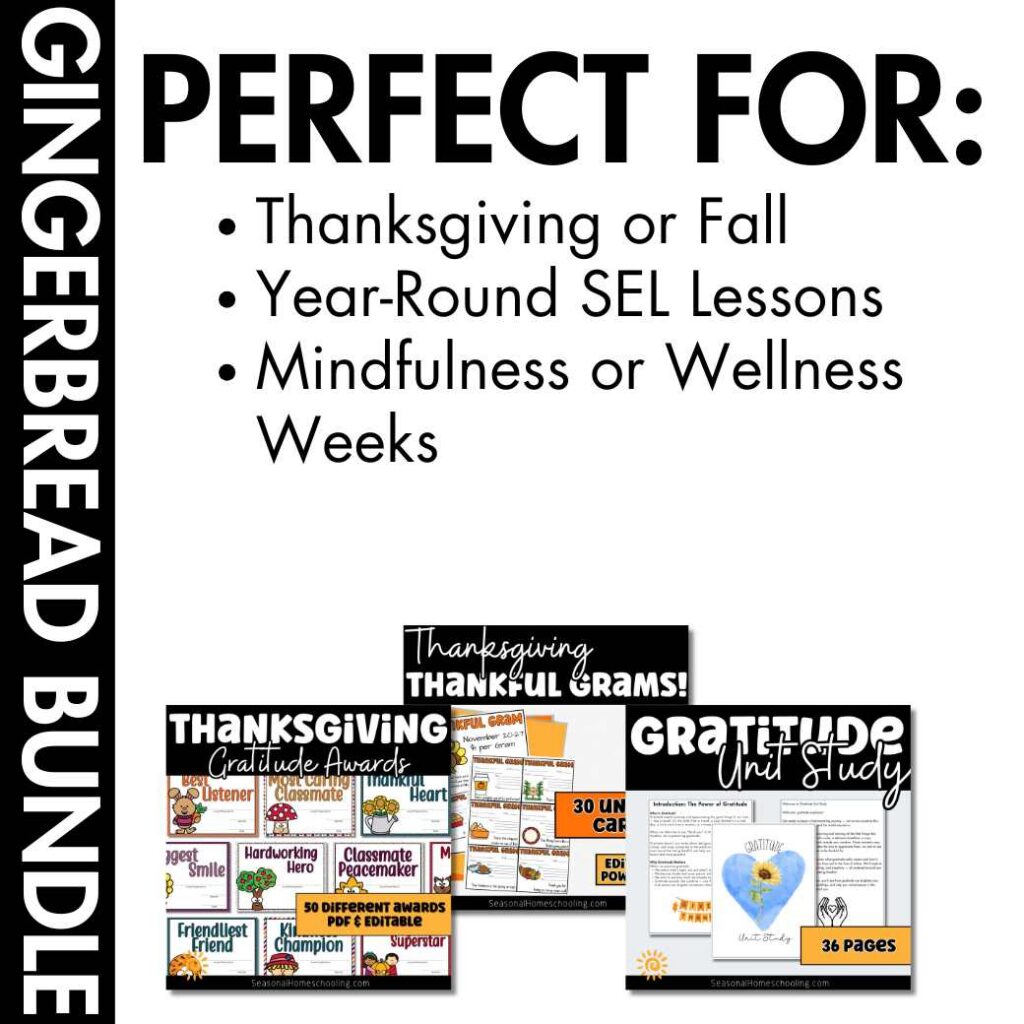
Gratitude Activities Bundle | Thanksgiving Kindness, Thankful Grams & Unit Study
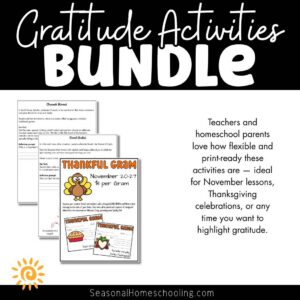
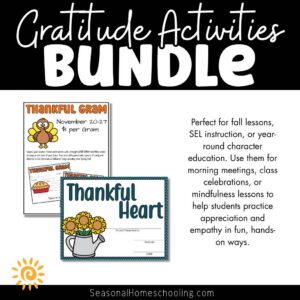
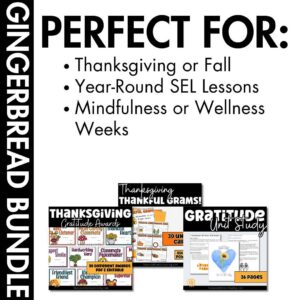
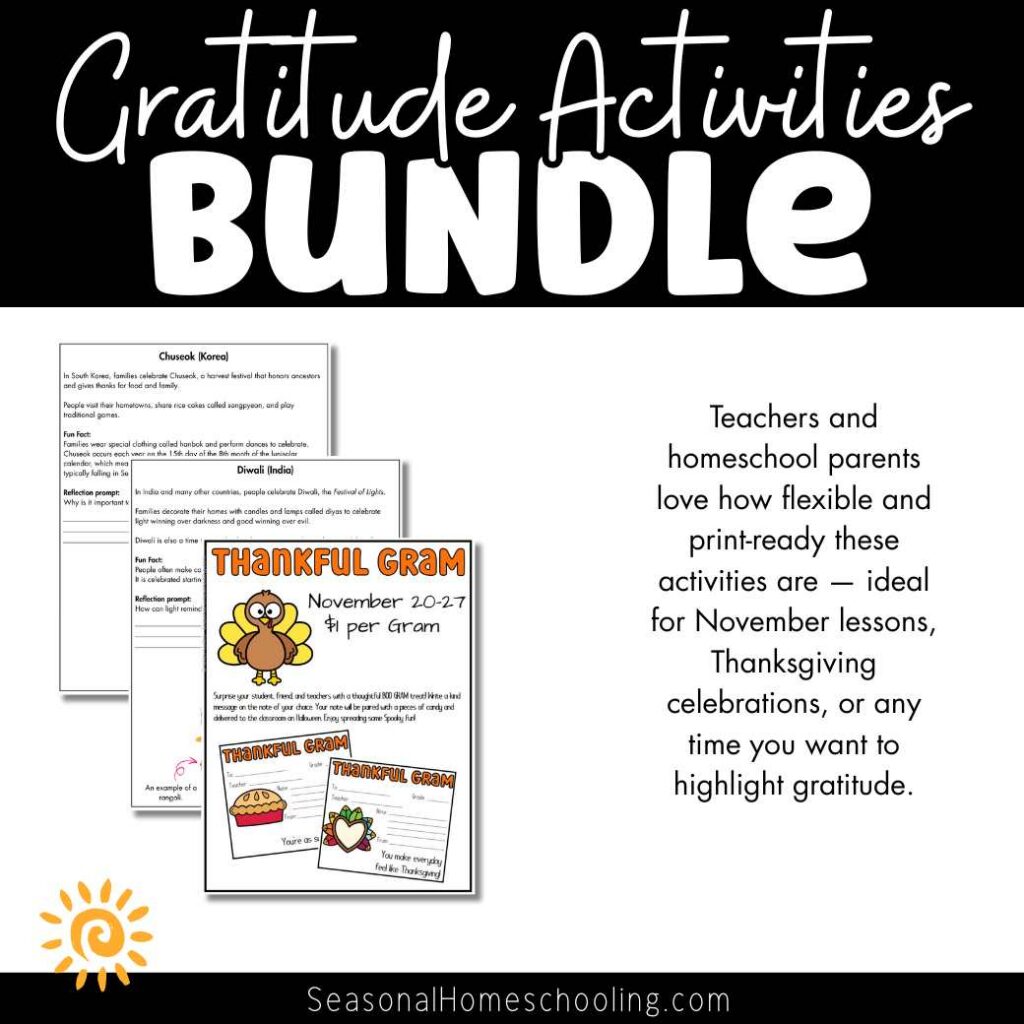
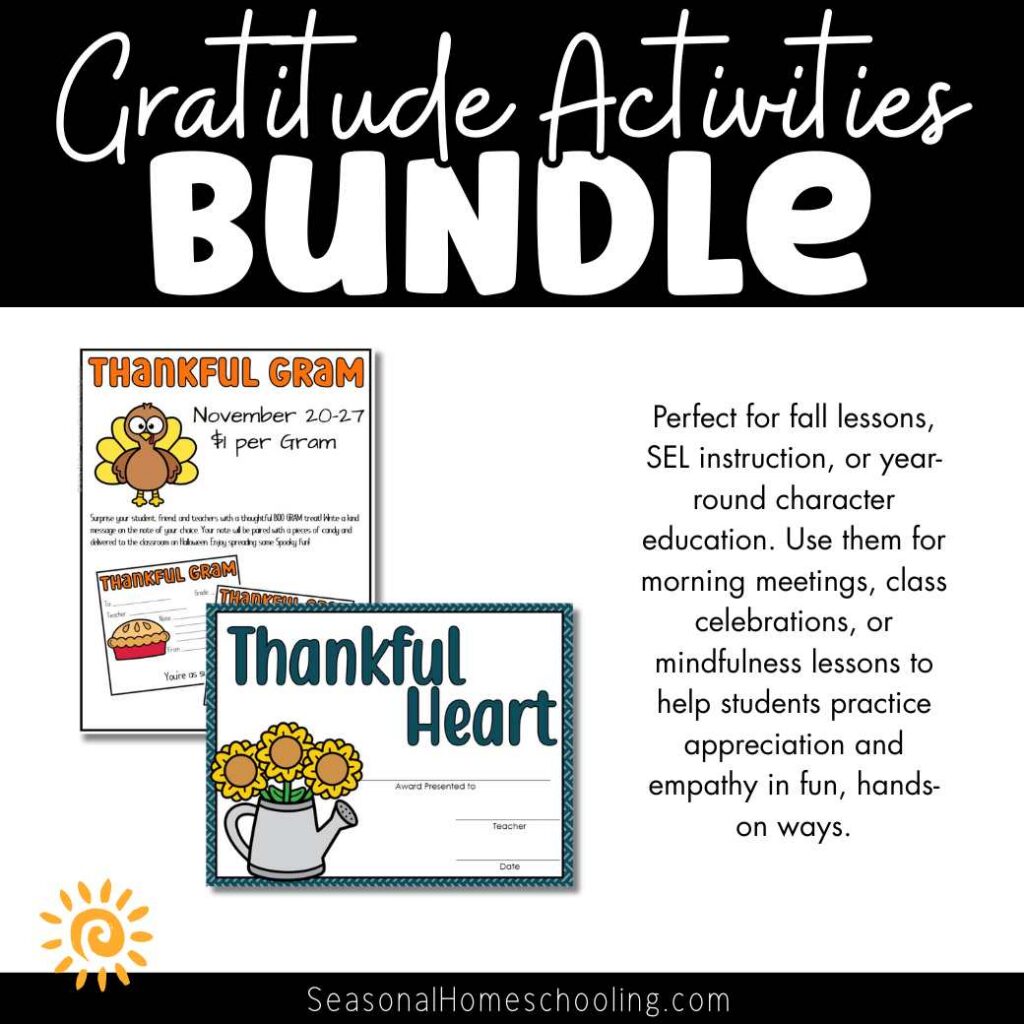
Looking for meaningful gratitude activities to foster kindness, connection, and reflection in your classroom or homeschool? This Gratitude Activities Bundle includes three engaging resources — Thanksgiving Gratitude Awards, Thankful Grams, and The Power of Gratitude Unit Study — perfect for fall lessons, SEL instruction, or year-round character education.
Gratitude Writing Prompts for Elementary Kids
Sometimes children have plenty of ideas but need a little help getting started.
Writing prompts provide a starting point without requiring children to come up with an entire topic on their own.
Here are some additional prompts that can be used for journal writing, morning work, writing centers, or short daily activities.
Personal Gratitude
- Something I am glad I have in my life is…
- One of my favorite memories is…
- A place where I feel happy is…
- Something I used to take for granted is…
- One thing I love about my everyday routine is…
People & Kindness
- Someone who has helped me recently is…
- A kind thing someone did for me was…
- I can show someone I appreciate them by…
- One thing I admire about my friend is…
- If I could make someone’s day better, I would…
Creative Thinking
- If I could give the world one gift, it would be…
- If I could thank an animal, I would thank…
- Imagine a world without something you love. What would be different?
- If I could create a holiday celebrating gratitude, it would…
- Write a story about a character who discovers the importance of kindness.
Seasonal Gratitude
- Something I enjoy about autumn is…
- My favorite thing about November is…
- One thing I love about spending time outdoors is…
- A seasonal tradition I appreciate is…
- Something I look forward to during the colder months is…
These prompts can be used individually or turned into a weekly writing challenge.

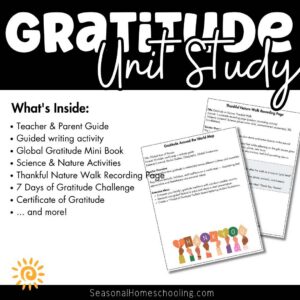
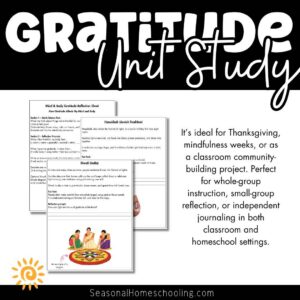
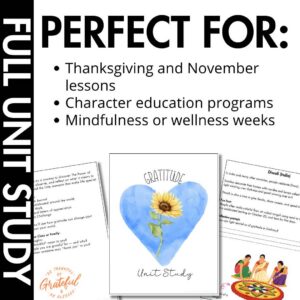
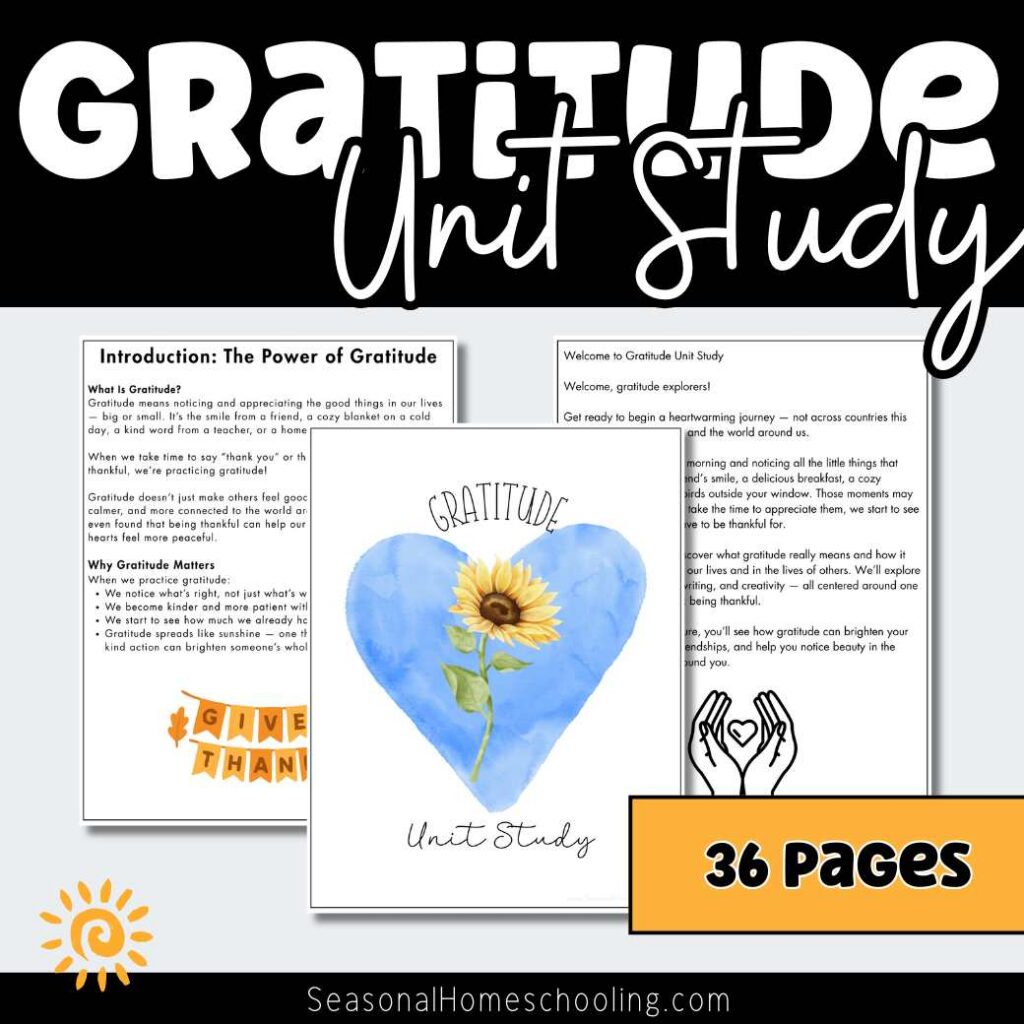
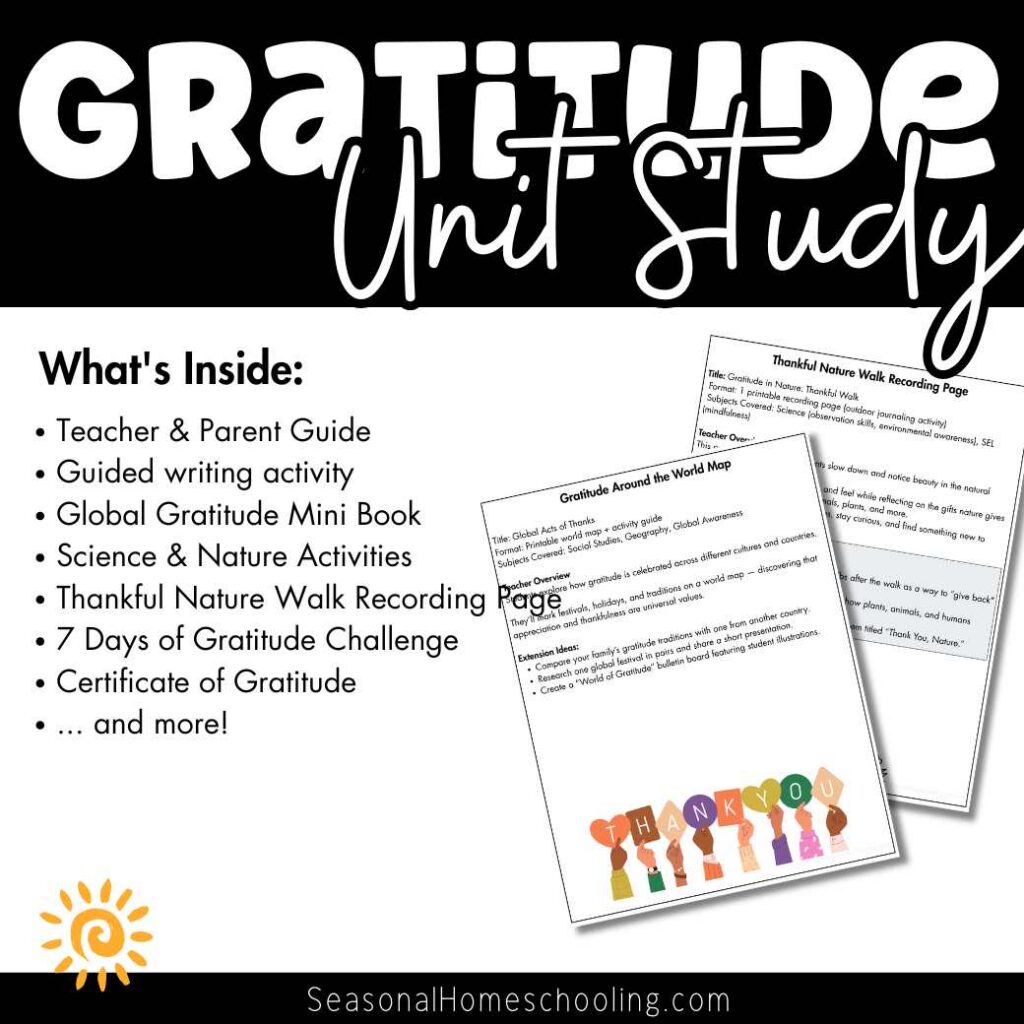
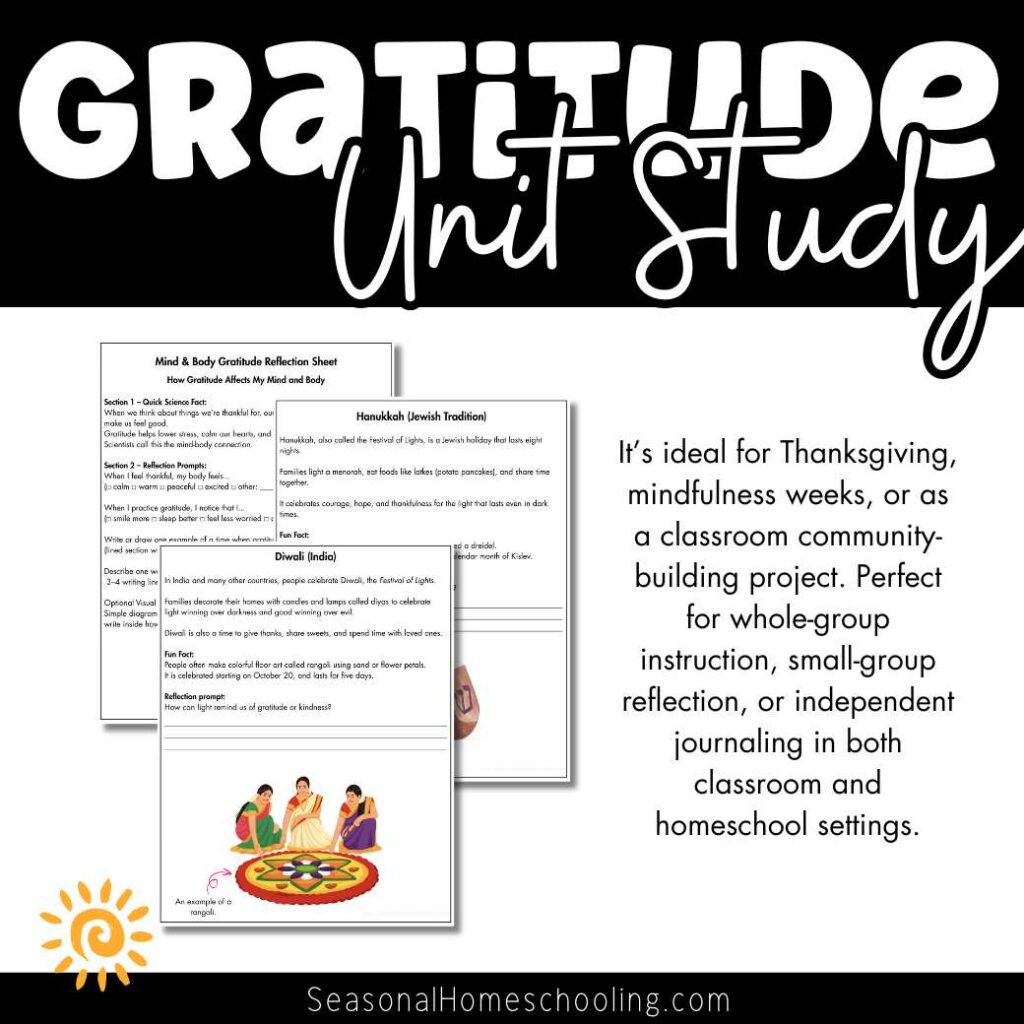
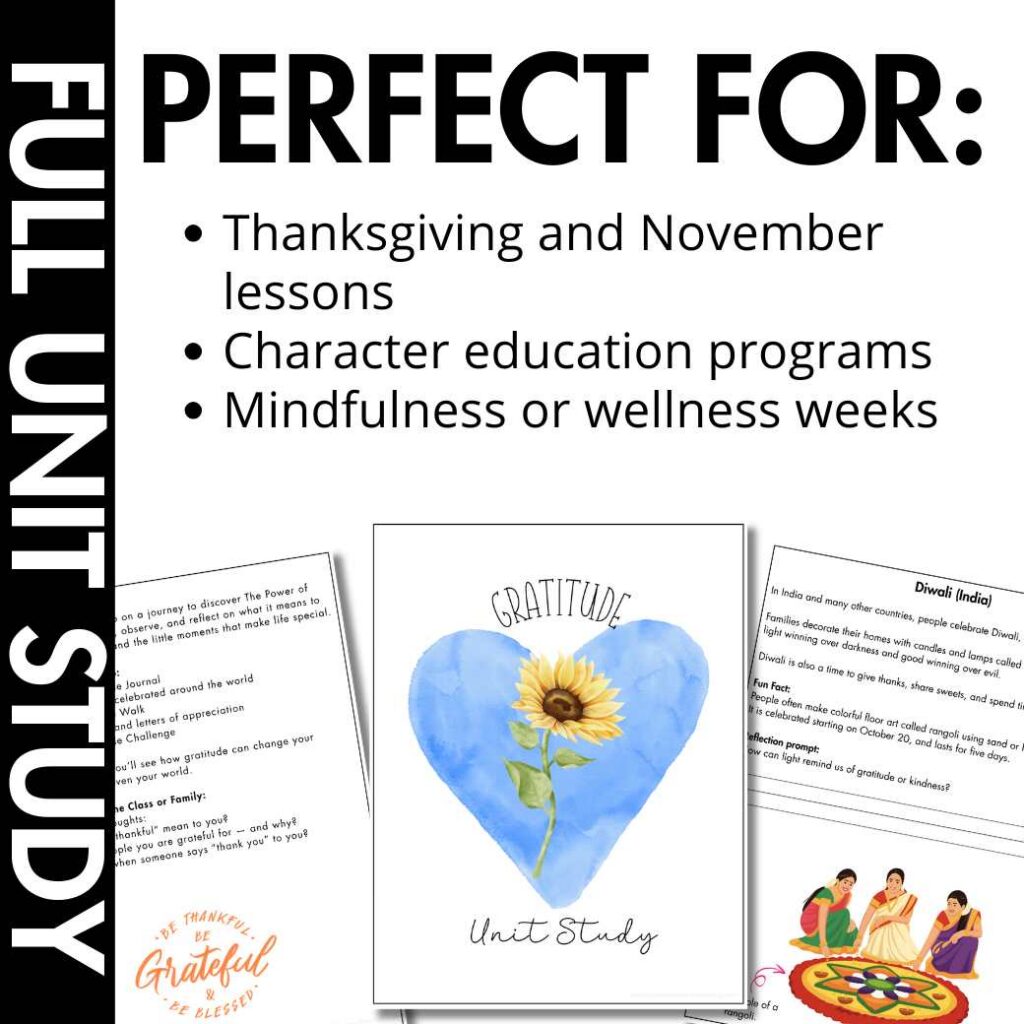
The Power of Gratitude Unit Study
The Power of Gratitude Unit Study is a social-emotional learning (SEL) and mindfulness resource designed for grades 3–5. Through engaging writing, reflection, art, and science-based activities, students explore what it truly means to be thankful. Perfect for Thanksgiving, November lessons, or any time you want to build a more positive classroom community.
Making Gratitude Writing Work for Different Ages
Elementary students develop their writing skills at different rates, so it’s helpful to offer different ways to approach the same activity.
A gratitude writing prompt doesn’t need to look the same for every child.
For younger elementary learners:
- Start with drawings and simple labels.
- Offer sentence starters.
- Encourage one complete sentence.
- Let children dictate their ideas before writing.
- Use word banks to help develop vocabulary.
For older elementary learners:
- Encourage descriptive paragraphs.
- Ask for specific examples and explanations.
- Introduce letter and journal writing.
- Explore different writing styles and audiences.
- Include creative writing and personal reflection.
The same gratitude theme can be adapted to suit different abilities without changing the overall activity.
Extending Gratitude Beyond Writing
Writing is a wonderful starting point, but gratitude can also be explored through art, discussion, nature, and everyday experiences.
Here are a few simple ways to extend these activities:
Create a Gratitude Tree
Have children write or draw things they appreciate on paper leaves. Add the leaves to a classroom or family gratitude tree throughout November.
Make a Kindness Jar
Whenever someone notices an act of kindness, write it on a small piece of paper and add it to a jar. Read the messages together at the end of the week.
Create Appreciation Cards
Children can design cards for people who make a positive difference in their lives. They can include a personal message and an illustration.
Explore Gratitude in Nature
Take a nature walk and encourage children to notice the things they appreciate about their surroundings. They might write about changing leaves, birds, sunshine, or the sounds of nature.
Start a Seven-Day Gratitude Challenge
Choose one small gratitude activity each day. Children might write about a person, a memory, a favorite place, a kind act, or something new they discovered.
These activities provide opportunities to practice gratitude in different ways and reinforce the idea that appreciation can be expressed through both words and actions.
Make Gratitude a Meaningful Part of November Learning
November is a natural time to explore gratitude, particularly as Thanksgiving approaches. However, these activities don’t need to be limited to one holiday or one month.
A few thoughtful writing prompts, a thank-you note, or a simple discussion about kindness can create meaningful opportunities for children to reflect on their experiences and recognize the people and things that matter to them.
If you’re looking for a more structured way to explore gratitude, consider incorporating a short unit study or printable activities into your November plans.

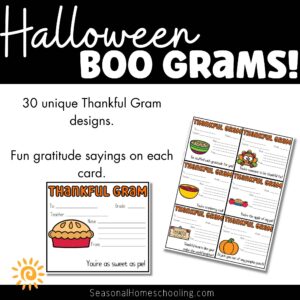
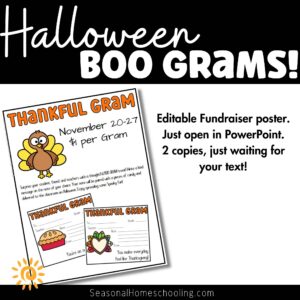
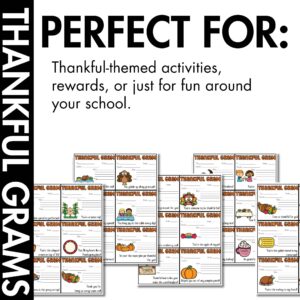
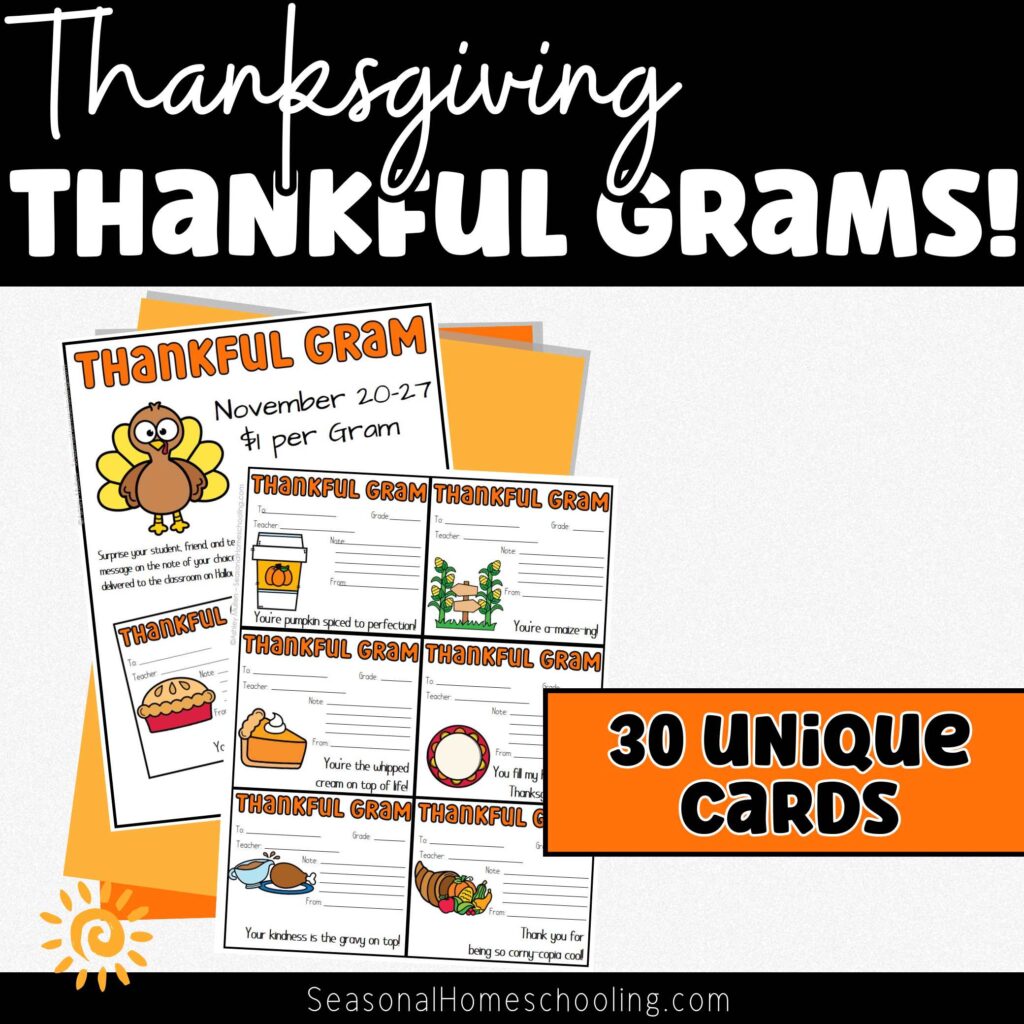
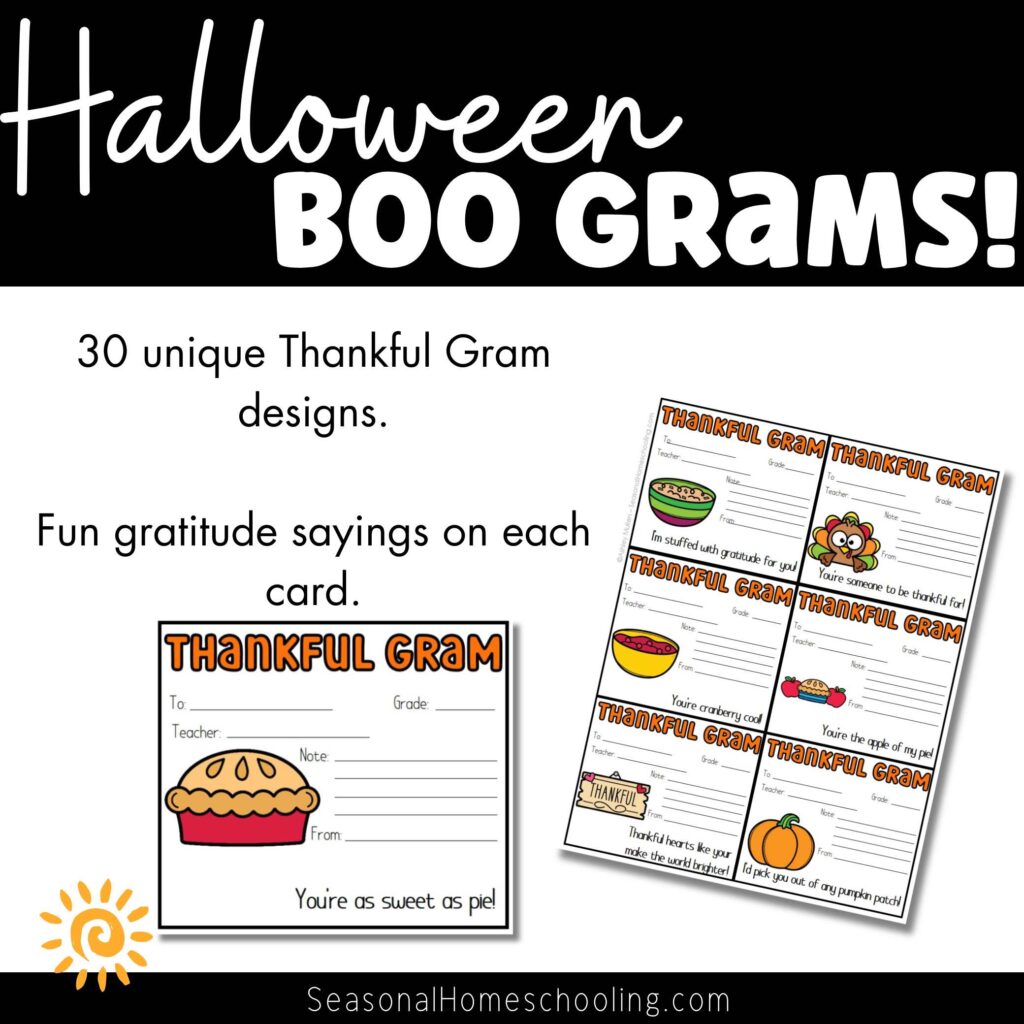
Thankful Grams – Gratitude Notes for Classroom or School Events
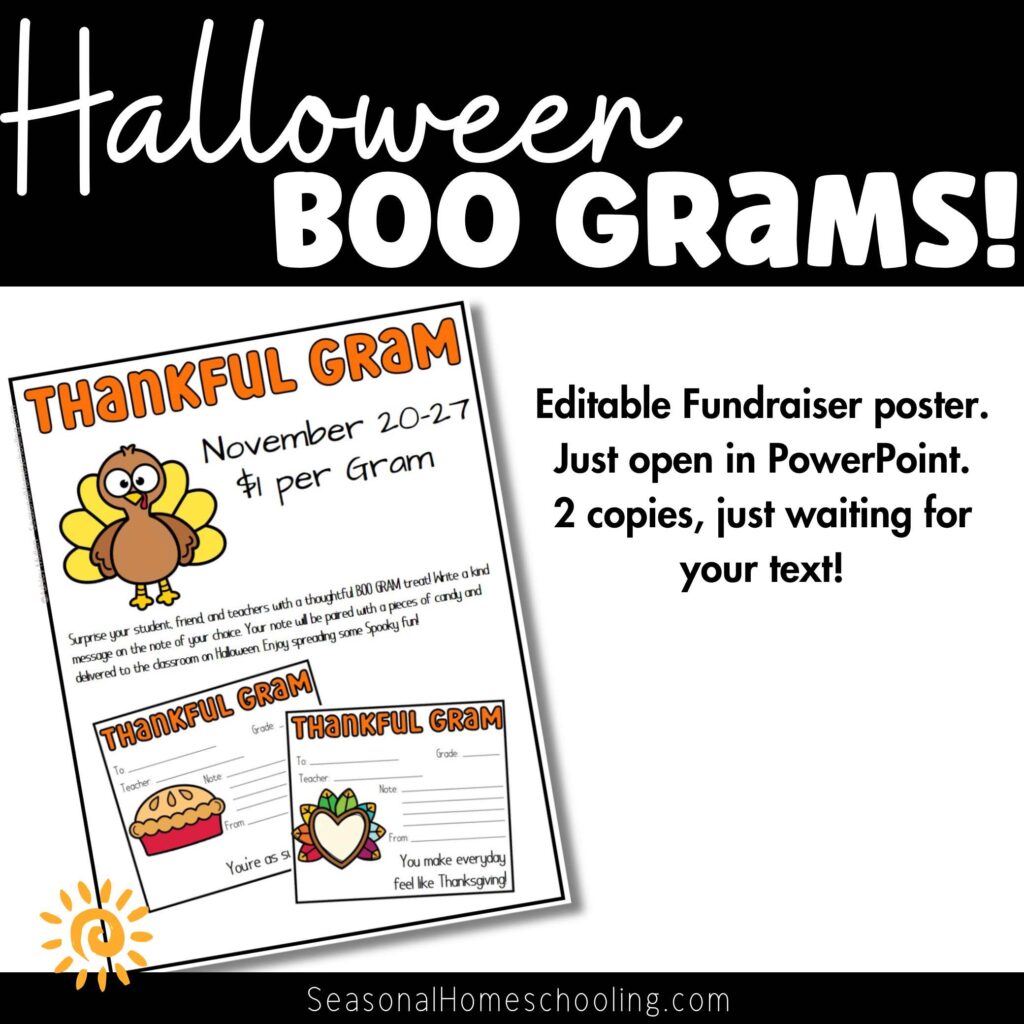
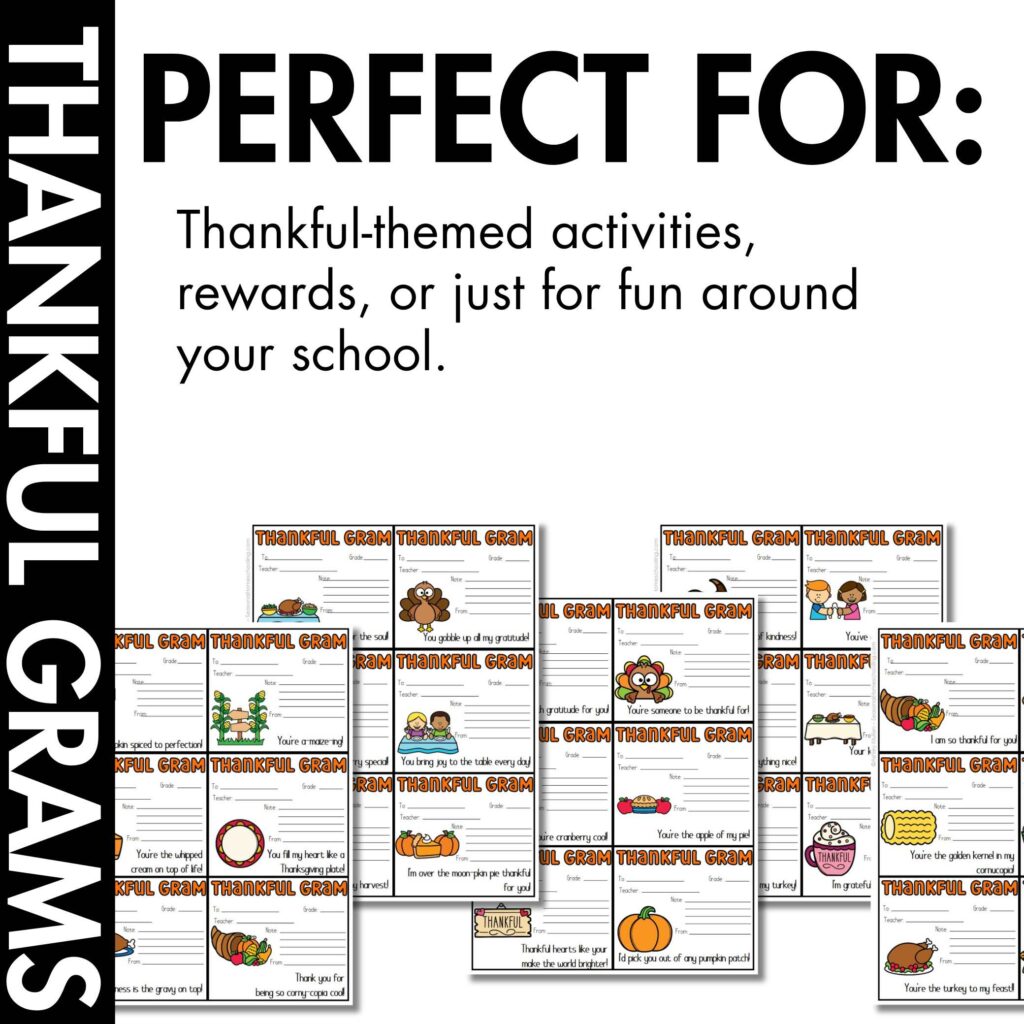
Spread kindness and gratitude with this fun and easy-to-use set of Thankful Grams! Perfect for classroom activities, school-wide events, or any setting where you want to foster appreciation and connection, this resource is designed to make sharing gratitude a breeze.
Explore the Gratitude Activities Bundle
The Gratitude Activities Bundle brings together three resources designed to encourage thankfulness, kindness, reflection, and positive connections.
Inside the bundle, you’ll find:
- The Power of Gratitude Unit Study: A seven-day gratitude challenge, reflection sheets, creative writing prompts, a global gratitude mini-book, nature-based mindfulness activities, and more. Designed for grades 3–5.
- Thankful Grams: Printable gratitude cards with positive messages, along with editable posters and templates for classroom or schoolwide activities.
- Thanksgiving Gratitude Awards: Fifty unique, editable award titles celebrating kindness, empathy, cooperation, and other positive qualities.
The resources can be used together for a larger gratitude study or individually throughout the year.
They are a helpful way to bring writing, reflection, and social-emotional learning together without having to plan every activity from scratch.
A Little Gratitude Goes a Long Way
Teaching gratitude doesn’t require elaborate activities or lengthy writing assignments. Often, the most meaningful learning comes from helping children notice the little things, recognize kindness, and find ways to express appreciation.
Through writing, storytelling, creative activities, and everyday conversations, children can begin developing a deeper understanding of gratitude.
And while November provides a wonderful opportunity to get started, these are skills and habits worth encouraging all year long.
Want More?
November Homeschool Themes & History Studies: Meaningful Learning Ideas for Elementary Ages