How to Teach Writing in Early Elementary: A Guide for New Homeschool Parents
Inside: Simple strategies for how to teach writing in early elementary. Fun, low-stress tips to help kids build strong writing skills from the start.
One of the most exciting milestones in the early years of homeschooling is watching your child go from scribbles to full sentences. Writing is a skill that takes time, patience, and plenty of practice to develop. If you’re wondering how to teach writing in early elementary, you’re not alone—many new homeschool parents feel a little intimidated at first. The good news? With a gentle approach, some fun strategies, and consistent practice, your child will grow into a confident writer.

This post contains affiliate links, see my disclosure policy for more information.
Understanding Early Writing Development
Before jumping into worksheets or grammar lessons, it helps to know where your child is developmentally. Early elementary writing doesn’t look like polished essays—it starts with building the foundation:
- Fine motor skills (holding a pencil, forming letters)
- Letter recognition and sounds
- Copying words and sentences
- Beginning to write their own ideas
Knowing this progression will help you set realistic expectations and celebrate the small wins along the way.
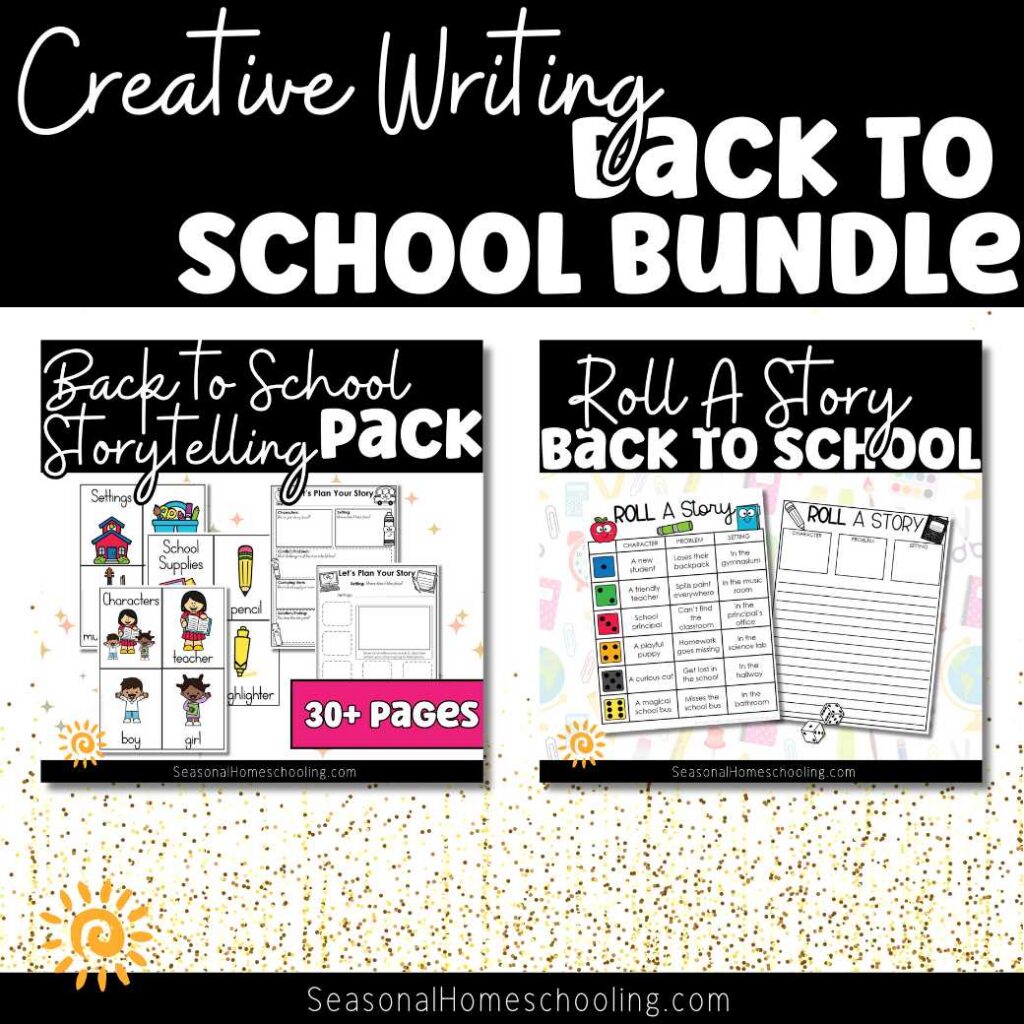
Creative Writing Back to School Bundle, Storytelling & Roll A Story | Grades 2–4
Kick off the school year with the Creative Writing Back to School Bundle, a set of printable, low-prep storytelling activities designed for grades 2–4. This engaging bundle combines two best-selling resources—Back to School Storytelling Pack and Back to School Roll A Story—to help students build narrative writing skills while having fun.
Strategies for Teaching Writing in Primary School
If you’re searching for strategies for teaching writing in primary school, keep in mind that variety is key. Kids learn best when writing feels meaningful and connected to their world. Try mixing these approaches into your homeschool routine:
Start with Handwriting Practice
Learning how to teach writing letters is step one. Use lined paper, dry-erase boards, or even sand trays for tracing letters. Make it playful—write in shaving cream, chalk, or with paintbrushes dipped in water on the sidewalk.
Encourage Journaling
Give your child a small notebook for daily or weekly journaling. At first, they might only draw pictures and label them with a word or two. Over time, they’ll expand into sentences and short stories.
Use Sentence Starters
For beginners, it can be overwhelming to write from scratch. Provide prompts like:
- “Today I feel…”
- “My favorite animal is…”
- “If I could fly, I would…”
These sentence starters make writing less intimidating and help children get their ideas flowing.
Incorporate Copywork
Copying short passages, poems, or favorite book quotes helps children see how sentences are structured. It also strengthens spelling and handwriting without the pressure of creating new content every time.
Mix Writing with Play
How to teach writing to kids often looks like sneaking it into everyday play. Write shopping lists together, label toy bins, create signs for a Lego city, or write notes to family members.

How to Teach Writing to Beginners
If your child is just starting, focus on small, consistent practice sessions. A few minutes each day is far more effective than a long writing lesson once a week. Remember that at this stage:
- Mistakes are part of the process.
- Spelling will be inventive (and that’s okay!).
- Encouragement goes further than correction.
If you’re wondering how to teach writing for beginners without tears, make it light and fun. Use stickers, stamps, or colored pencils to keep them motivated.
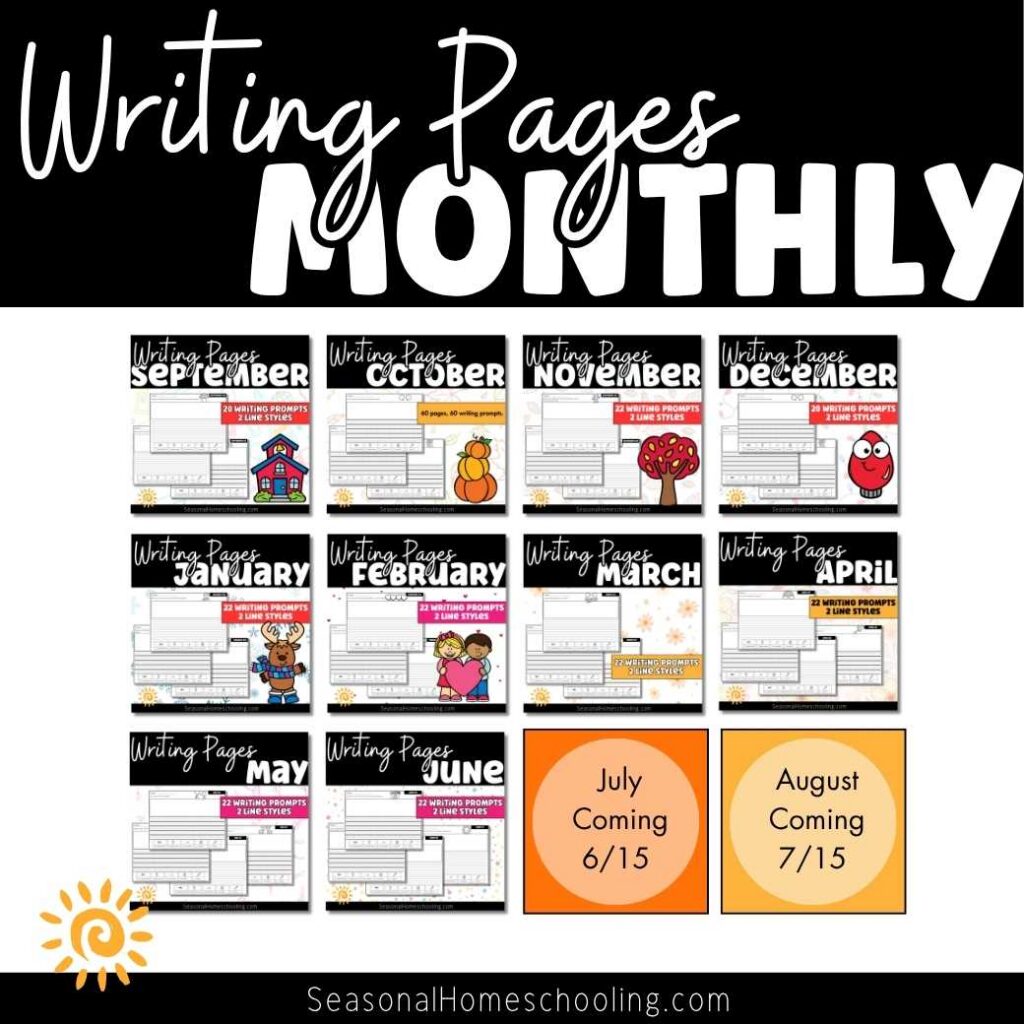
Daily Journal Bundle | Daily Writing Prompts for 1st and 2nd Grade
Make writing lessons fun, engaging, and stress-free all year long with this Growing Bundle of Monthly Journal Writing Prompts! Perfect for 1st and 2nd-grade students, this bundle includes creative and skill-building prompts for every month—October, November, December, January, and beyond!
How to Teach Writing Skills to Elementary Students
Once your child is comfortable writing sentences, you can begin introducing writing skills in a simple, natural way. For example:
- Capital letters and punctuation – Practice through editing silly sentences together.
- Story structure – Beginning, middle, and end can be taught with picture cards or comic strips.
- Expanding ideas – Encourage them to add “one more detail” to each sentence they write.
These foundational skills prepare them for more structured writing in the upper grades.

Common Questions from New Homeschool Parents
Do I need a formal writing curriculum in the early years?
Not necessarily! Many families start with copywork, journaling, and simple writing games. A curriculum can be helpful later but isn’t essential right away.
What about grammar?
In early elementary, focus on exposure, not mastery. Read aloud daily, point out punctuation in books, and gently introduce concepts.
How long should writing lessons be?
Short and sweet! Ten to fifteen minutes of focused writing practice is often enough for young learners.

Back to School Roll A Story
Inspire your students’ creativity this autumn with our engaging “Back to School Roll a Story” activity pack! Perfect for young writers, this pack provides all the tools they need to craft imaginative stories while having fun with a back to school twist.
Free & Low-Cost Ideas
If you’re looking for how to teach writing in early elementary free (without buying a full program), here are some ideas:
- Print free writing prompts and journaling pages online.
- Create a “family post office” where kids write letters and deliver them to a mailbox in the house.
- Use story dice or “roll a story” games to inspire creative writing.
- Collect leaves, rocks, or shells and write descriptive sentences about them.
Simple, everyday experiences often spark the best writing practice.
When you think about how to teach writing skills to primary students, remember that progress looks different for every child. Some kids will take off quickly, while others need more time. The most important thing is to nurture a love of expression, not perfection.
As your child grows, you’ll naturally shift into more structured lessons, like how to teach writing in English or even how to teach writing to high school students. But for now, in the early years, keep it fun, hands-on, and encouraging.
Homeschooling gives you the gift of time—you can move at your child’s pace and enjoy watching their writing skills unfold.
Want More?
Back to School Writing Fun: A Creative Twist on Storytelling
Fun and Engaging Writing Prompts for Kids: Inspire Creativity and Build Writing Skills