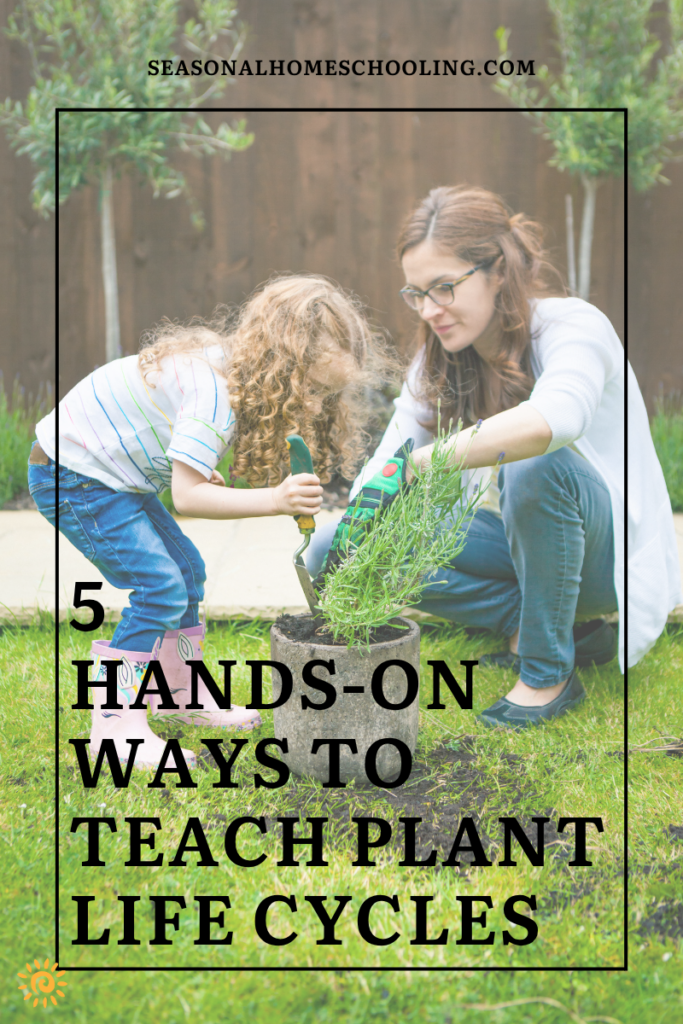
5 Hands-On Ways to Teach Plant Life Cycles
Inside: Discover 5 hands-on ways to teach plant life cycles with fun activities, seed experiments, crafts, and outdoor learning ideas for kids.
Plants are all around us, but for many children, it can be difficult to understand how a tiny seed transforms into a full-grown plant. That’s why hands-on learning is one of the best ways to teach plant life cycles. When children can see, touch, grow, and explore plants themselves, the learning becomes more meaningful, memorable, and fun.
This post contains affiliate links, see my disclosure policy for more information.
5 Hands-On Ways to Teach Plant Life Cycles
Whether you are homeschooling, teaching in a classroom, or simply looking for engaging nature-based activities, these hands-on ideas will help children better understand each stage of the plant life cycle. You can easily do these during the summer months to keep your kids learning.
Why Hands-On Learning Works for Plant Science
Young learners often understand science concepts more easily when they can actively participate in the process. Instead of only reading about seeds and flowers, children can observe real growth, ask questions, and make discoveries along the way.
Hands-on plant activities also help students:
- Build observation skills
- Practice patience and responsibility
- Strengthen critical thinking
- Develop vocabulary naturally
- Connect science to the real world
Plant life cycles are especially perfect for interactive learning because children can literally watch the process happen over time.

Grow Seeds in Clear Cups
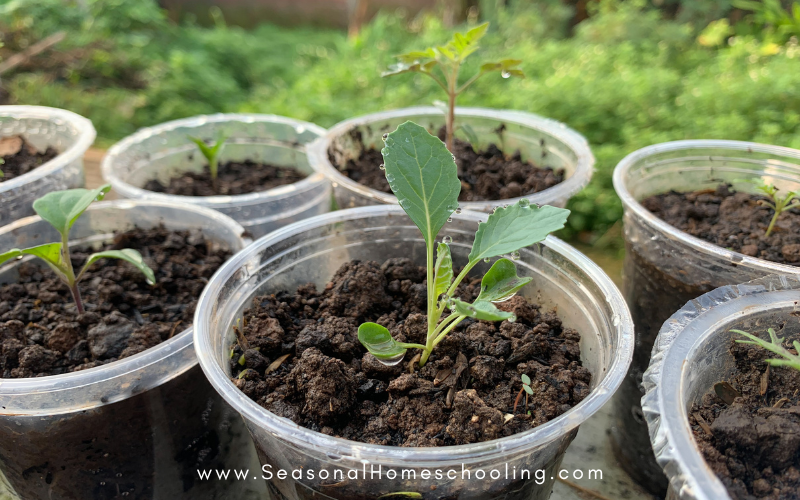
One of the easiest and most effective ways to teach plant life cycles is by growing seeds in clear plastic cups or jars. Because the container is transparent, children can observe both the roots and the sprout as the seed begins to grow.
What You Need
- Clear plastic cups or jars (jars can be trickier when it comes time to remove the plant from the jar)
- Paper towels or cotton balls
- Water
- Bean seeds or pea seeds – fast growing
How to Do It
Place a damp paper towel inside the cup and slide the seed between the towel and the side of the cup. Keep the towel moist and place the cup near sunlight.
Over the next several days, children can observe:
- The seed swelling
- Roots emerging
- The stem growing upward
- Leaves beginning to form
This simple activity gives students a front-row view of germination and early plant growth.
Extension Idea
Have children keep a plant journal where they draw and label changes each day.
Create a Plant Life Cycle Craft
Crafts are a fantastic way to reinforce science concepts while adding creativity to the lesson. A plant life cycle craft helps children visually organize the stages of growth in the correct order.
Craft Ideas
- Paper plate life cycle wheel
- Foldable sequencing booklet
- Cut-and-paste life cycle chart
- Flower diagram with labels
- Interactive flap books

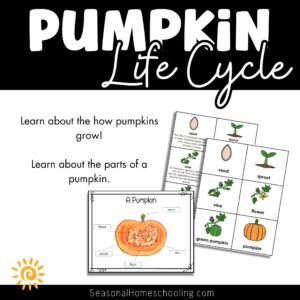
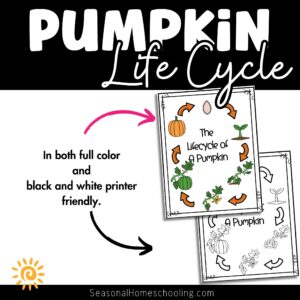
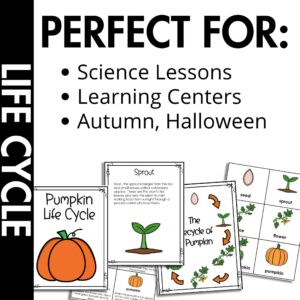


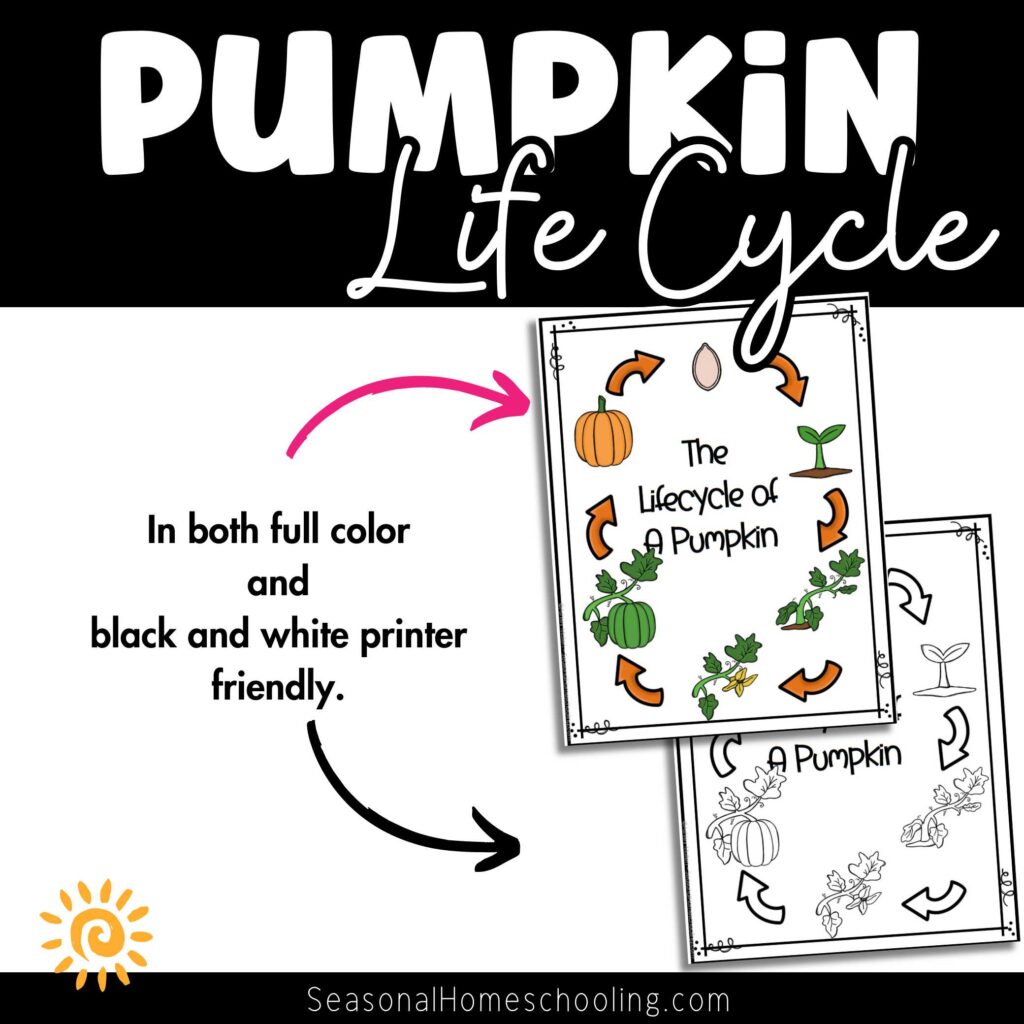
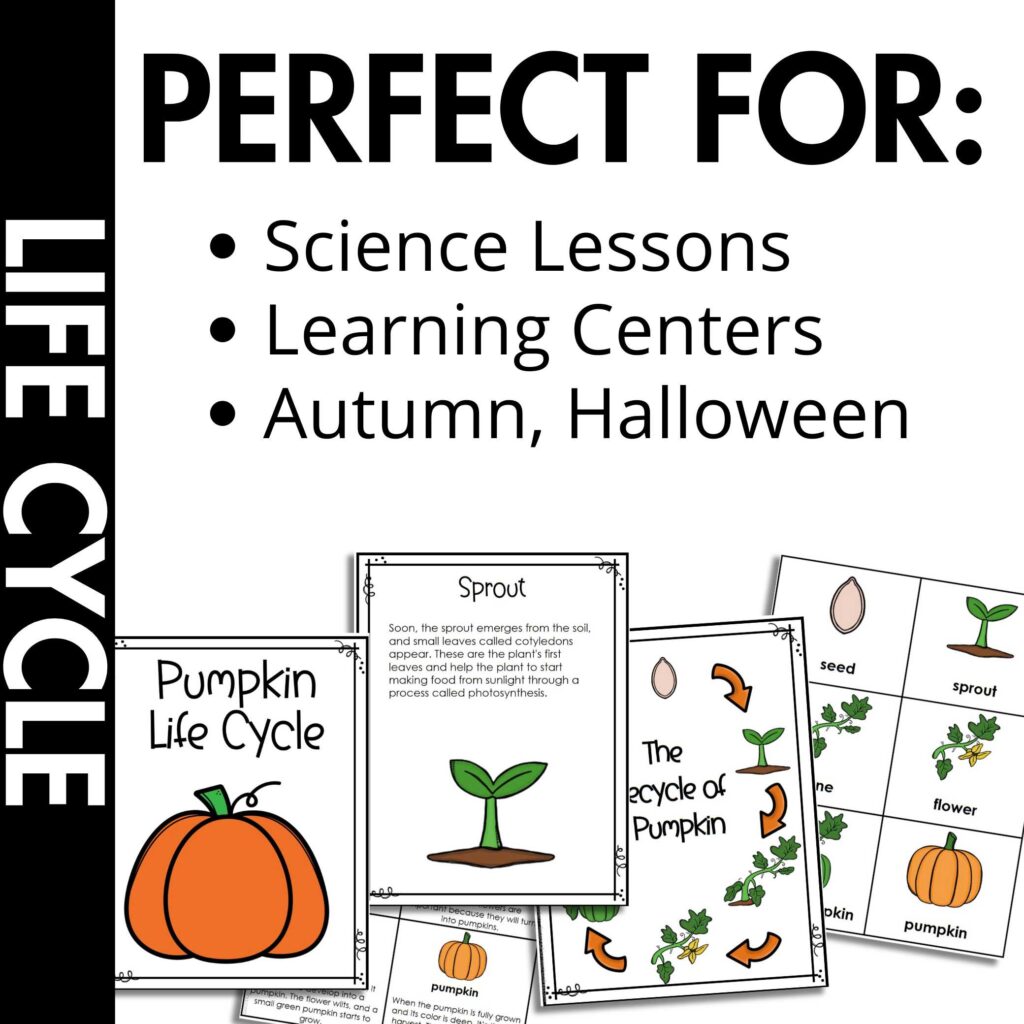
Pumpkin Life Cycle | Pumpkin Life Cycle of A Plant | Plant Life Cycle Activities
Teach your students about the fascinating life cycle of a pumpkin with this engaging and hands-on printable set! From seed to harvest, this resource provides everything you need to bring the pumpkin life cycle to life in your classroom.
As students assemble the craft, discuss each stage:
- Seed
- Germination
- Seedling
- Mature plant
- Flowering plant
- Seed production
The hands-on element helps students remember the sequence much more effectively than memorization alone.

Go on a Nature Walk to Find Plant Stages
Outdoor learning makes plant science come alive. A simple nature walk can turn into an exciting scavenger hunt for different stages of plant growth.
What to Look For
- Seeds
- Sprouts
- Seedlings
- Buds
- Flowers
- Fruits containing seeds
- Dead plants releasing seeds
Encourage children to compare plants they observe and discuss how different plants may look at various stages.
Make It Interactive
Bring clipboards or printable observation sheets so children can:
- Sketch plants
- Record findings
- Label stages
- Compare leaf shapes and flower colors
Nature walks help children understand that plant life cycles happen everywhere around them, not just in books.

Sprout Seeds in Different Conditions
Hands-on experiments are a great way to deepen understanding of what plants need to survive. Children can investigate how sunlight, water, or soil affect plant growth.
Experiment Ideas
Try growing seeds:
- With and without sunlight
- With different amounts of water
- In various soil types
- Indoors versus outdoors
Children can make predictions, observe results, and discuss why some plants grow better than others.
Skills Children Practice
- Scientific observation
- Predicting outcomes
- Recording data
- Comparing results
- Drawing conclusions
This activity turns a basic plant lesson into a real science investigation.
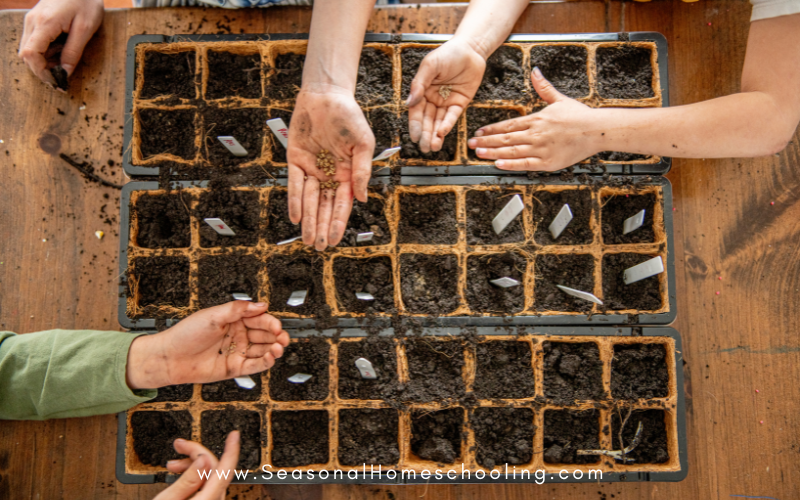
Use Interactive Plant Life Cycle Games and Activities
Games help reinforce vocabulary and sequencing in a fun, low-pressure way. Interactive activities are especially helpful for younger learners who benefit from movement and repetition.
Hands-On Game Ideas
- Plant life cycle matching cards
- Sequencing puzzles
- Roll-and-cover games
- Sensory bins with seeds and plant parts
- Life cycle sorting mats
You can also include dramatic play by having children act out the stages of the life cycle:
- Curl up like a seed
- Stretch like roots
- Reach upward like stems
- Bloom like flowers
Movement-based learning can be incredibly effective for active learners.
Tips for Teaching Plant Life Cycles Successfully
Keep Real Plants Visible: Having real plants in your learning space keeps children engaged and curious throughout the unit.
Use Repetition Naturally: Talk about the stages often during activities, read-alouds, and outdoor exploration.
Integrate Multiple Subjects: Plant life cycles can easily connect to:
- Writing
- Art
- Math graphing
- Nature journaling
- Reading comprehension
Allow Time for Observation: Plants grow slowly, and that’s part of the learning experience. Encourage patience and regular observation.
Teaching plant life cycles does not have to rely on worksheets alone. Hands-on activities help children connect with nature, explore scientific concepts, and build lasting understanding through real experiences.
From growing seeds in clear cups to exploring plants outdoors, these interactive activities make science meaningful and exciting for young learners. Best of all, many of these ideas require only simple supplies and can easily be adapted for classrooms or homeschool settings.
When children can touch, grow, observe, and experiment with plants themselves, the plant life cycle becomes something they truly understand rather than simply memorize.
Want More?
April Homeschool Themes: Earth Day, Life Cycles, Weather, and More!