March Homeschool Themes: Plants, Gardening & Spring Science
Inside: Explore March homeschool themes with plants, gardening, spring science, life cycles, the Spring Equinox, Earth Day, and Easter learning ideas.
March is the perfect time to lean into themes of growth, change, and renewal. As days grow longer and the earth slowly wakes up, homeschoolers and classroom teachers alike can tap into seasonal learning that feels fresh, meaningful, and engaging. From plant life cycles to the Spring Equinox, March offers rich opportunities for science, nature study, and cross-curricular fun.

This post contains affiliate links, see my disclosure policy for more information.
Why March Is Ideal for Nature-Based Learning
By March, kids are ready to get their hands dirty—literally. Even if the weather is still unpredictable, this month naturally invites curiosity about plants, animals, and the changing seasons. Lessons feel more relevant when students can observe real-world changes happening right outside their window.
March themes also work beautifully across multiple ages, making them especially helpful for homeschool families teaching more than one grade.

Plants & Life Cycles: A Natural Starting Point
Plant studies are a March favorite for a reason. They’re simple to set up, endlessly adaptable, and full of built-in science skills.
Ideas to explore:
- Seed anatomy and germination
- Plant needs (sun, soil, water, air)
- Comparing seeds and sprouts
- Indoor vs. outdoor growing
Using life cycle printable sets makes these concepts more concrete for younger learners while still supporting deeper discussion for older students. Pair printables with real seeds in plastic bags, egg cartons, or small pots for hands-on learning that sticks.

Life Cycle Bundle – Animal Life Cycles Printable Sets
Engage your students in the wonders of nature with our comprehensive “Explore, Learn, and Grow Bundle” featuring five life cycle printable sets. Perfect for educators seeking interactive and hands-on resources.
Gardening With Kids (Even Before Spring Fully Arrives)
You don’t need a full garden to start gardening lessons in March. This is a great time to:
- Plan a garden (draw layouts, choose plants, research zones)
- Start seeds indoors
- Learn about composting and soil health
- Explore where food comes from
These activities naturally blend science, math, and even language arts (hello, seed journals and observation logs!).
Spring Science & the Spring Equinox
March is home to the Spring Equinox, making it a perfect anchor for a seasonal unit study. Kids love learning why day and night are equal—and it opens the door to bigger concepts like Earth’s tilt, seasons, and the sun’s role in life on Earth.
A Spring Equinox unit study can include:
- Day/night comparisons
- Shadow experiments
- Seasonal changes around the world
- Cultural celebrations of spring
This is a wonderful opportunity to connect science with geography, history, and even art.

Plants, Gardening & Harvest Science for Grades 3–5 | Garden Unit Study
Plants, Gardening & Harvest Science for Grades 3–5 is a printable spring science unit that introduces upper elementary students to plant science, gardening concepts, and food systems through engaging, hands-on learning. This life science, garden unit study is designed for Grades 3–5 and works beautifully for classroom instruction, homeschool learning, and garden-based education.
Earth Day Connections (Start Early!)
Although Earth Day is in April, March is an ideal time to lay the groundwork. As kids learn about plants and ecosystems, you can naturally introduce:
- Caring for the Earth
- Recycling and reducing waste
- Protecting plants and animals
Early Earth Day discussions feel more meaningful when tied to what kids are already observing in nature.
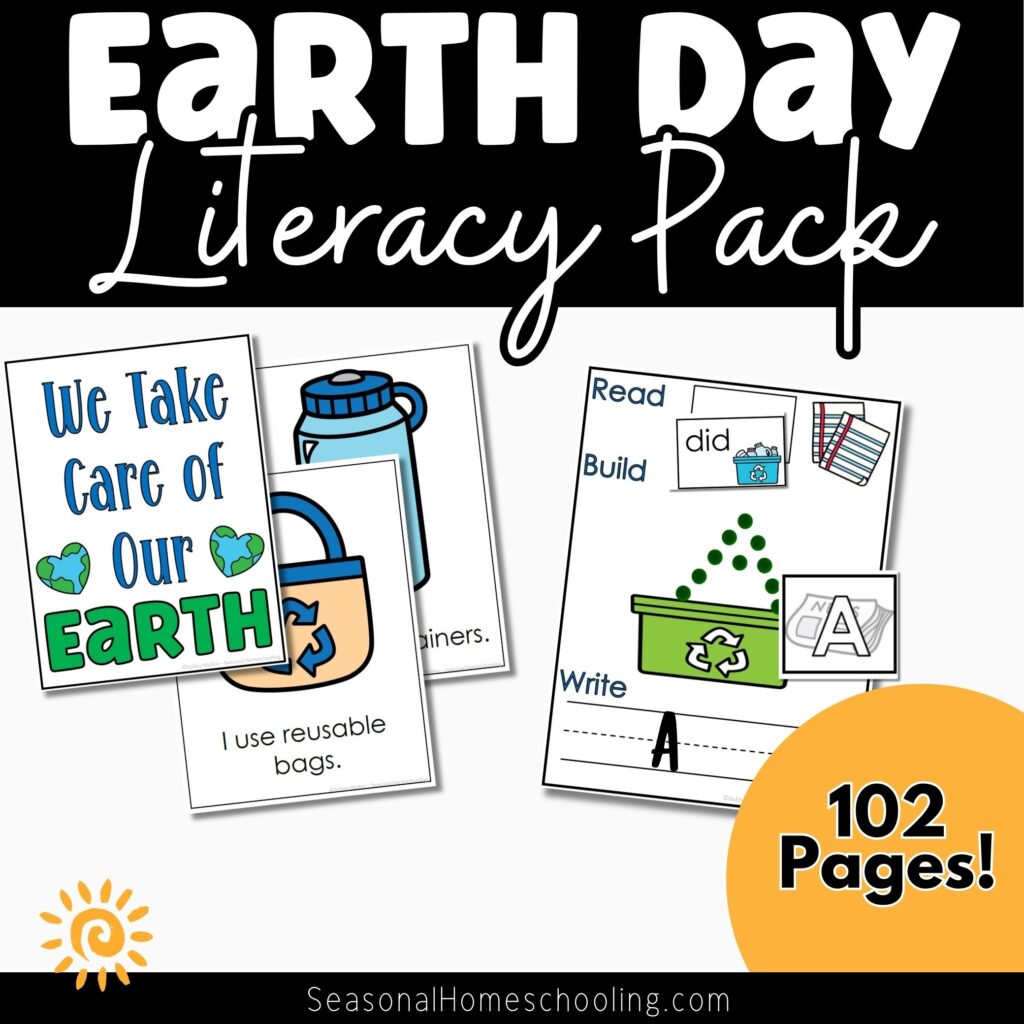
Earth Day Literacy Center | Earth Day Writing | Earth Day Activities
Elevate your Earth Day lessons with our comprehensive Earth Day Literacy Pack! Engage students with essential first and second sight words, captivating posters, engaging worksheets, and stimulating word puzzles.
Easter & Spring Traditions
For families who celebrate Easter, March often overlaps with early Easter prep. This can gently connect to themes of:
- New life and growth
- Spring symbols (eggs, chicks, flowers)
- Seasonal traditions and storytelling
These themes pair beautifully with plant life cycles and spring science without needing to be overly academic.

Easter Roll A Story
Easter Roll a Story is a fun and engaging creative writing activity designed for elementary students that helps young writers build imaginative stories using simple prompts, planning tools, and a hands-on dice-rolling format. This resource is perfect for writing practice, review, or enrichment and works well for literacy centers, sub plans, early finishers, or seasonal writing activities during spring.
Pulling It All Together
March homeschool themes don’t need to feel scattered. Plants, gardening, spring science, the Spring Equinox, Earth Day, and Easter all share a common thread: growth and renewal. With a mix of hands-on activities, thoughtful discussions, and supportive resources like unit studies and printable sets, learning feels cohesive—and joyful.
Whether you’re homeschooling full-time or planning seasonal classroom lessons, March is your invitation to slow down, look outside, and let nature do some of the teaching.
Love the idea of themed monthly learning, but not the heavy planning? That’s exactly why I created the Seasonal Homeschooling Plan Membership. Every month, you’ll get a complete homeschool guide filled with lessons, printables, and simple activity ideas — so you can bring seasonal learning into your homeschool without starting from scratch.
Want More?
Hands-On St. Patrick’s Day CVC Word Activities for Early Readers