Easy Nature Study Ideas for Busy Homeschool Moms
Inside: Discover easy nature study ideas for busy homeschool moms with simple outdoor activities, life cycles, unit studies, and printables.
Nature study is one of the most rewarding parts of homeschooling, but it can also feel overwhelming when you are already juggling lesson plans, meals, laundry, appointments, and everyday life. The good news is that nature study does not need to be complicated, time-consuming, or Pinterest-perfect to be meaningful.
This post contains affiliate links, see my disclosure policy for more information.
Easy Nature Study Ideas for Busy Homeschool Moms
In fact, some of the best nature learning happens during simple everyday moments — a walk around the yard, a quick observation of birds at the feeder, or collecting leaves after a windy afternoon.
If you have been wanting to add more nature-based learning to your homeschool without creating extra stress, these easy nature study ideas are a great place to start.

What Is Nature Study?
Nature study is simply the practice of observing and learning about the natural world. Instead of relying only on textbooks, children explore real plants, animals, weather, insects, seasons, and outdoor environments firsthand.
Nature study can include:
- Nature walks
- Bird watching
- Sketching plants and animals
- Seasonal observations
- Life cycle studies
- Outdoor journaling
- Simple science investigations
The best part? Nature study naturally combines science, art, writing, observation skills, and curiosity into one engaging activity.
Keep Nature Study Simple
One of the biggest misconceptions about homeschooling nature study is that it requires elaborate outdoor adventures or hours of preparation. It really doesn’t.
A meaningful nature study session can take just 10–20 minutes.
Here are a few simple ways to make nature study manageable:
- Focus on one topic at a time
- Use printable resources for quick setup
- Keep supplies in a small nature basket
- Follow your child’s interests
- Learn alongside your children
Consistency matters more than perfection.

Take Short Nature Walks
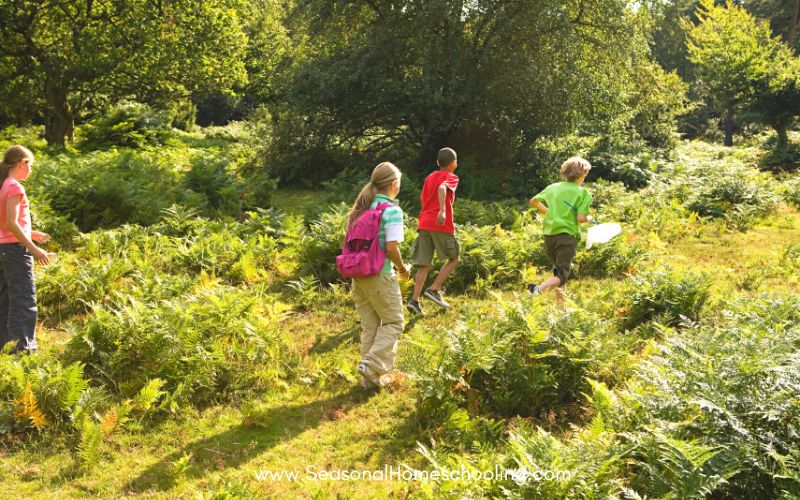
Nature walks are one of the easiest ways to bring learning outdoors. You do not need to travel to a forest or nature reserve either. Your backyard, neighborhood, local park, or even a parking lot can offer plenty to observe.
Simple Things to Look For
- Birds
- Animal tracks
- Flowers
- Seeds
- Insects
- Cloud formations
- Seasonal changes
Children love having a purpose during walks, which is why printable scavenger hunts and observation activities can be so helpful.
You can pair nature walks with:
- Scavenger Hunt Bundle
- June Nature Study Calendar
- Forest School Activity Cards: Inspire Outdoor Learning and Adventure
- 72 Printable Nature Study Activity Cards
These types of resources help guide observations without requiring extra prep from mom.
Study Animal Tracks
Animal tracks are fascinating for children because they turn outdoor exploration into a mystery-solving activity. Even young learners enjoy comparing prints and guessing which animal passed through an area.
You do not need to live in the wilderness either. Mud, snow, sand, and even dusty ground can reveal interesting tracks.
Easy ways to study animal tracks:
- Compare track sizes and shapes
- Match tracks to animals
- Create clay impressions
- Draw tracks in a nature journal
- Search for tracks during walks
Helpful resources include:
These activities make outdoor science interactive and fun while building observation skills naturally.
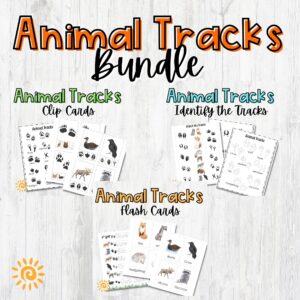
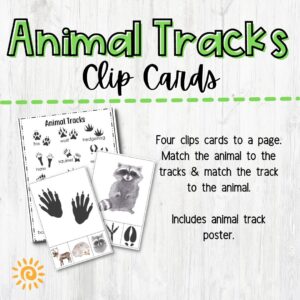
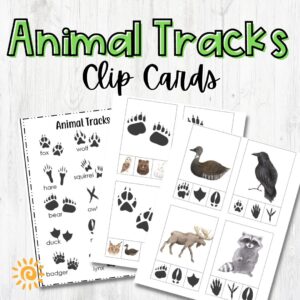
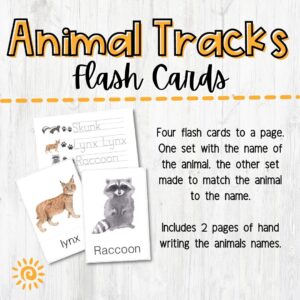
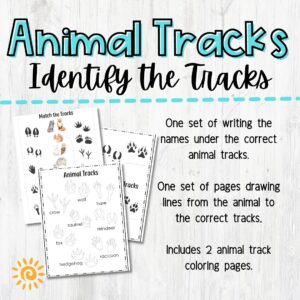

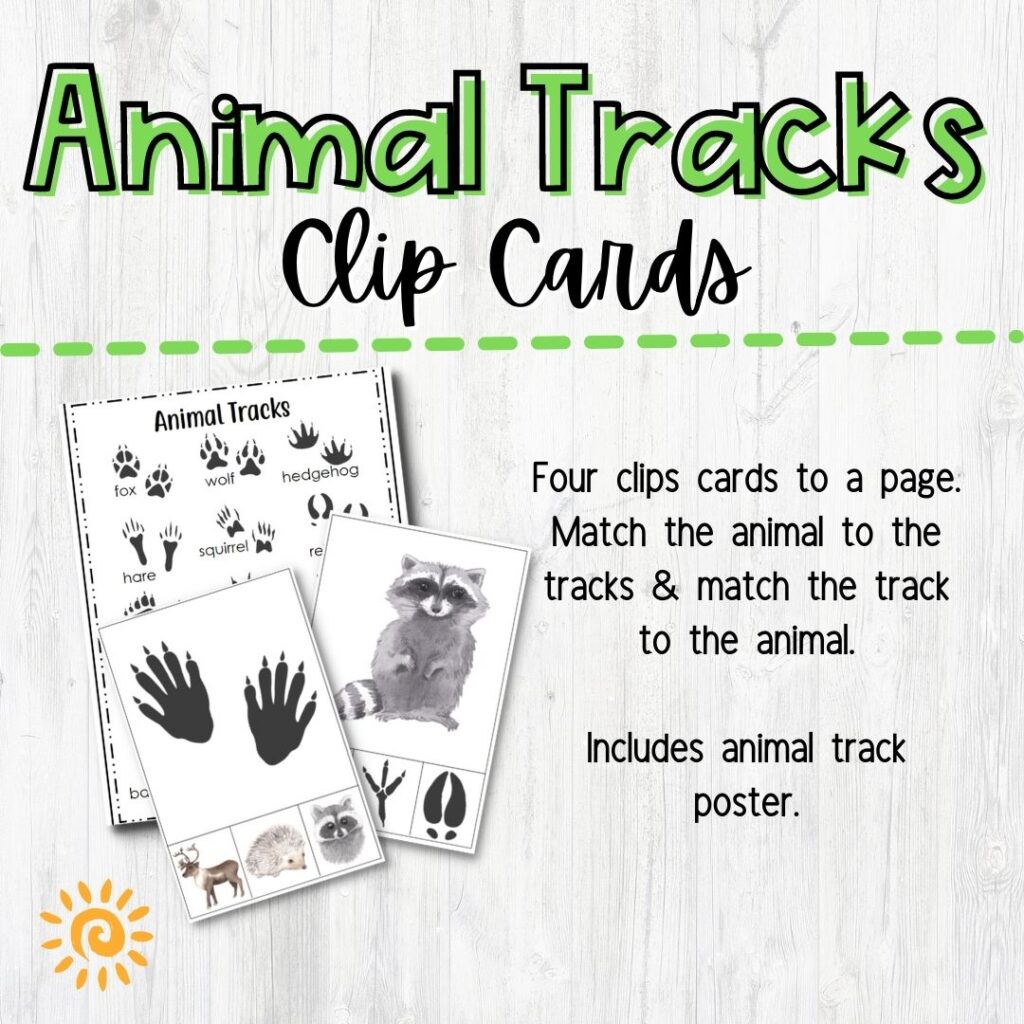

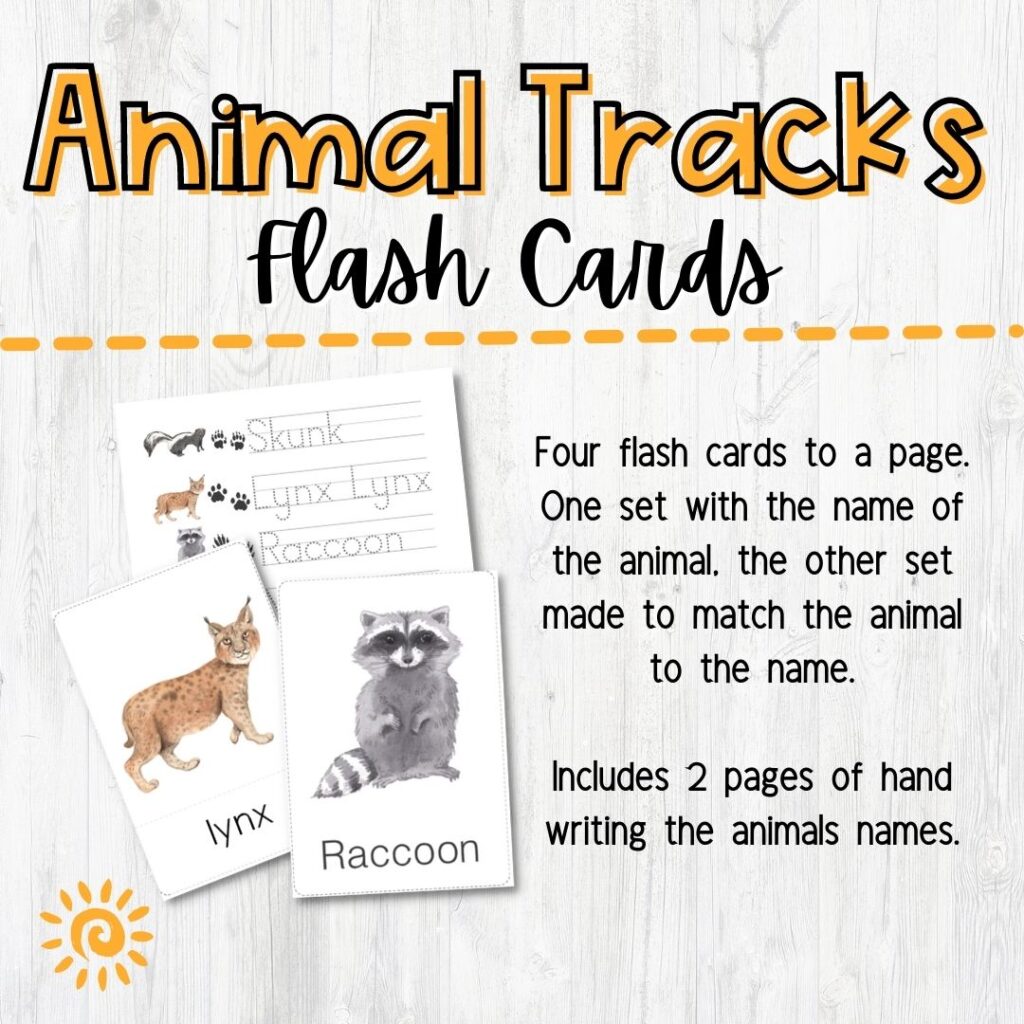
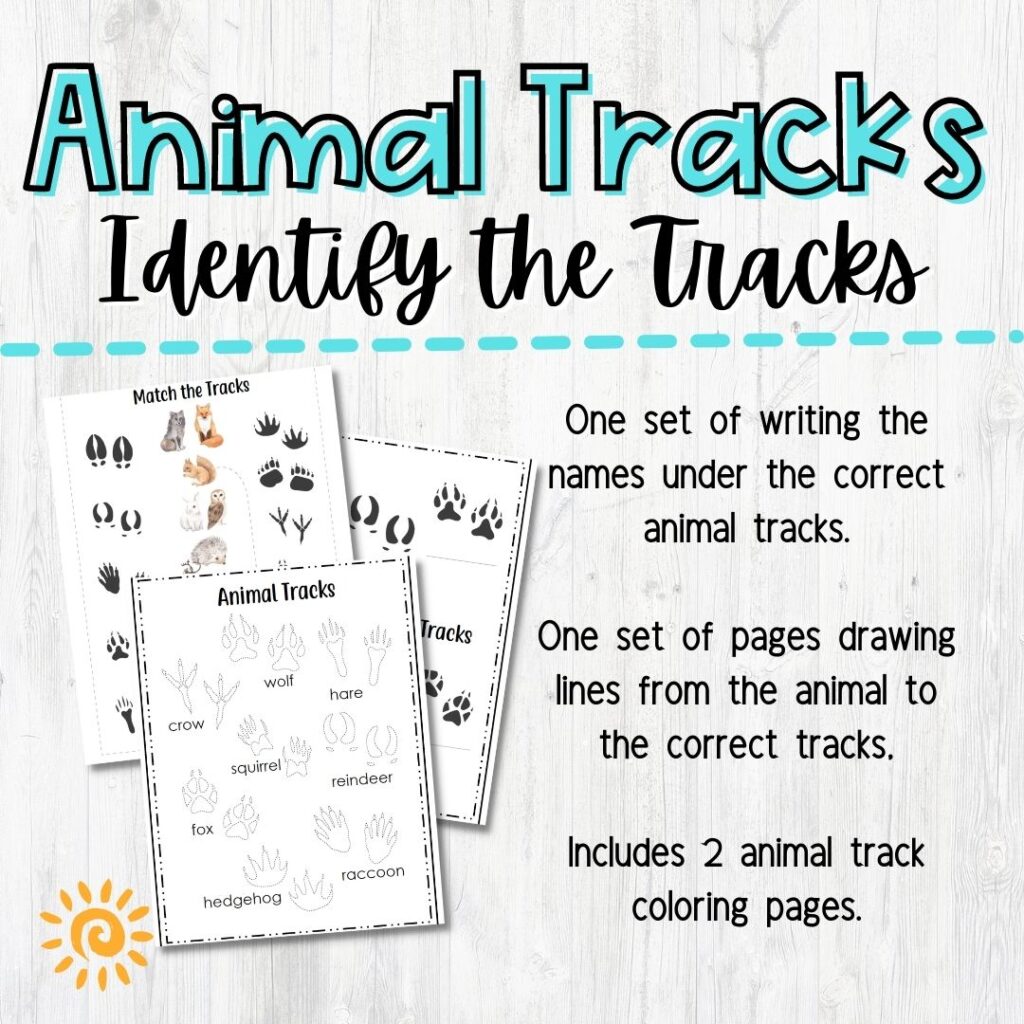
Animal Tracks Bundle
Enjoy these 28 pages of Animal Track fun. These are a great addition to your nature study or forest school. This is a BUNDLE of the following three products:
- Animal Tracks Identify the Tracks
- Animal Tracks Flash Cards
- Animal Tracks Clip Cards
Observe Seasonal Changes
Nature study becomes much easier when you follow the seasons. Instead of planning entirely new topics each week, simply observe how nature changes over time. Think: work smarter, not harder! Most everything changes in each season. Grab a notebook and make notes about how things are different each season.
Children can notice:
- Leaf color changes
- Different bird activity
- Temperature shifts
- Flower blooms
- Snow and ice patterns
- Spring growth
Seasonal studies work beautifully because they happen naturally throughout the year.
You can support seasonal learning with:
- Spring Equinox Unit Study | Science, STEM, and Nature Activities
- Autumn Equinox Unit Study | Science, Legends, Art & Recipes for Grades 3–5
- Winter Solstice Unit Study
- Summer Solstice Unit Study for Elementary | History, Science & More
These types of units make it easy to combine science, history, writing, and hands-on learning in one place.

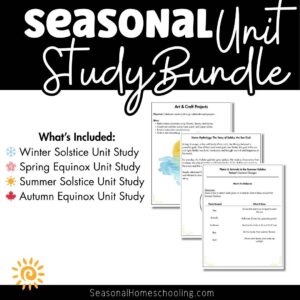
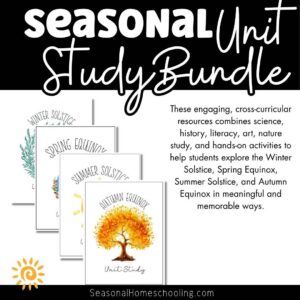
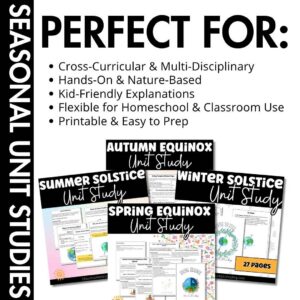

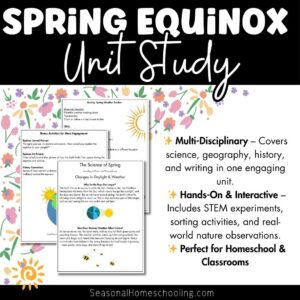


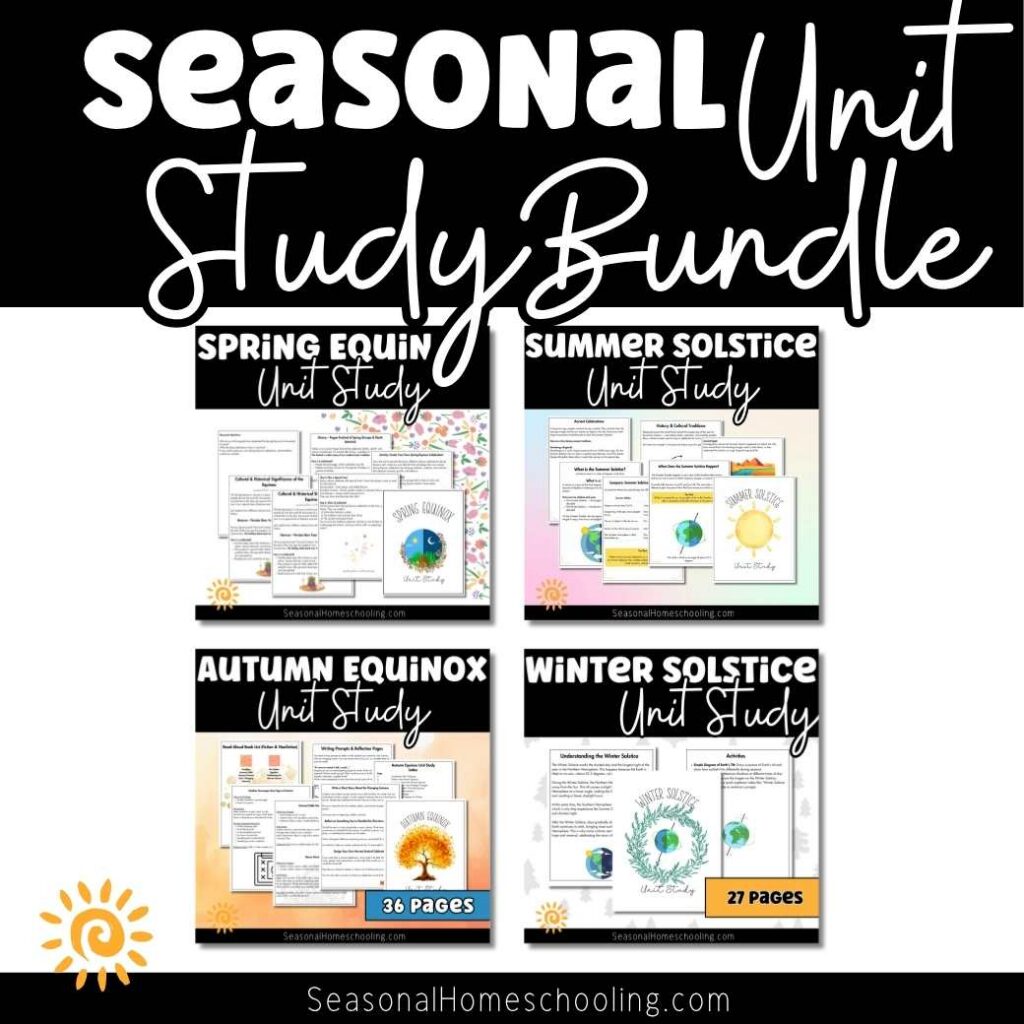
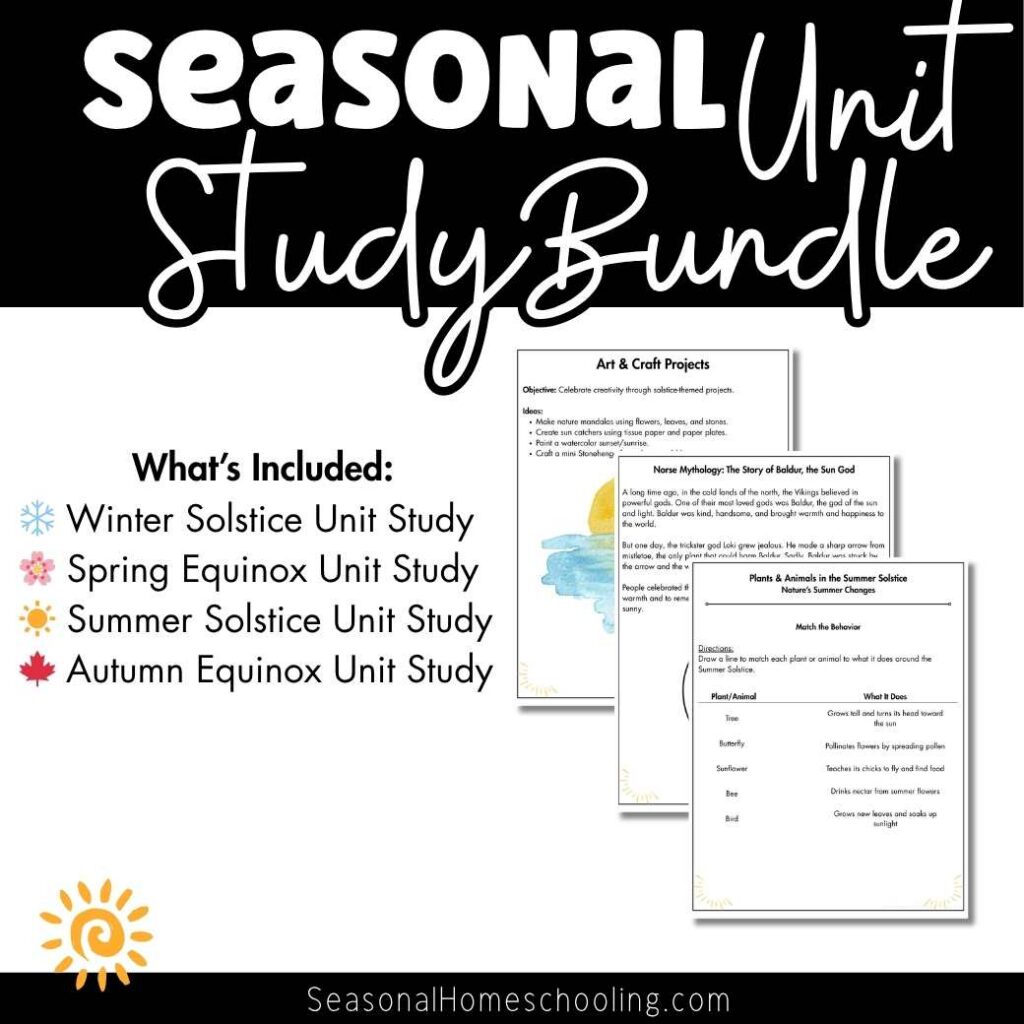
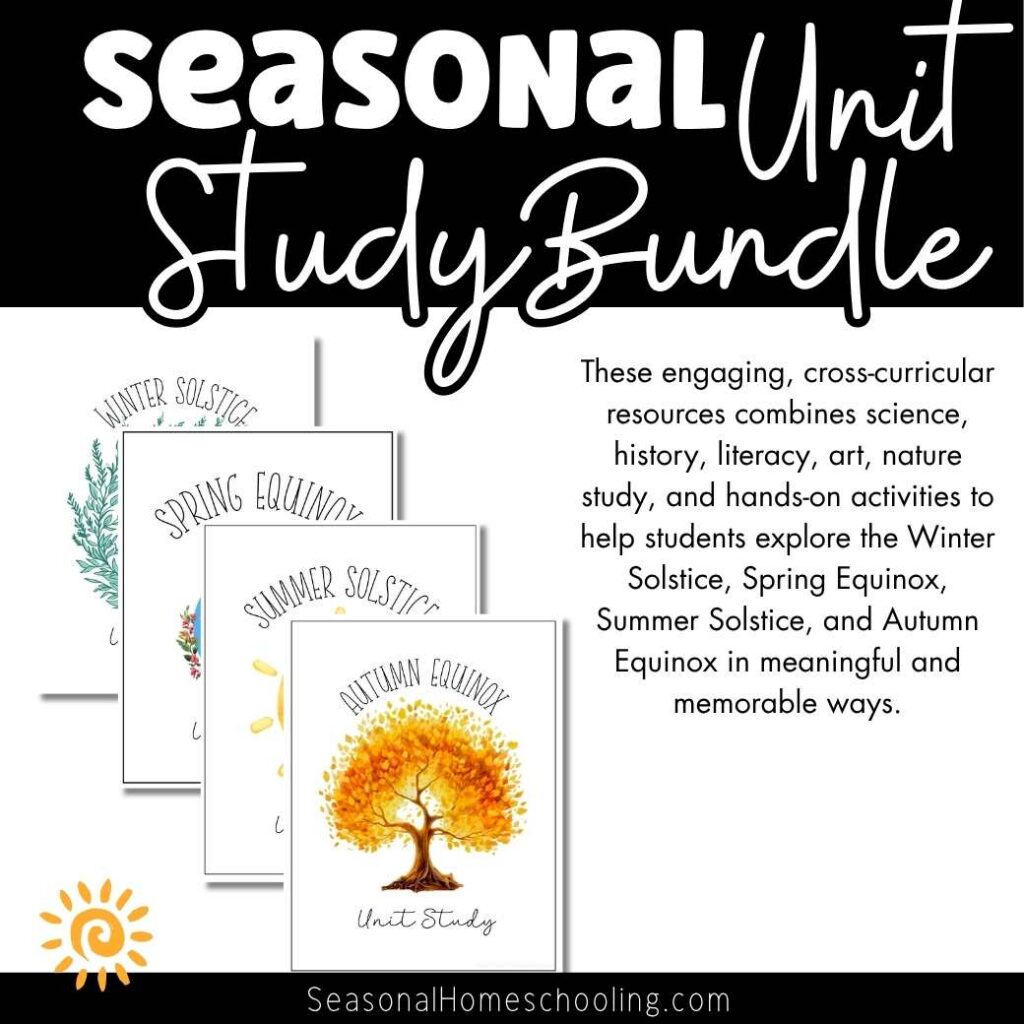
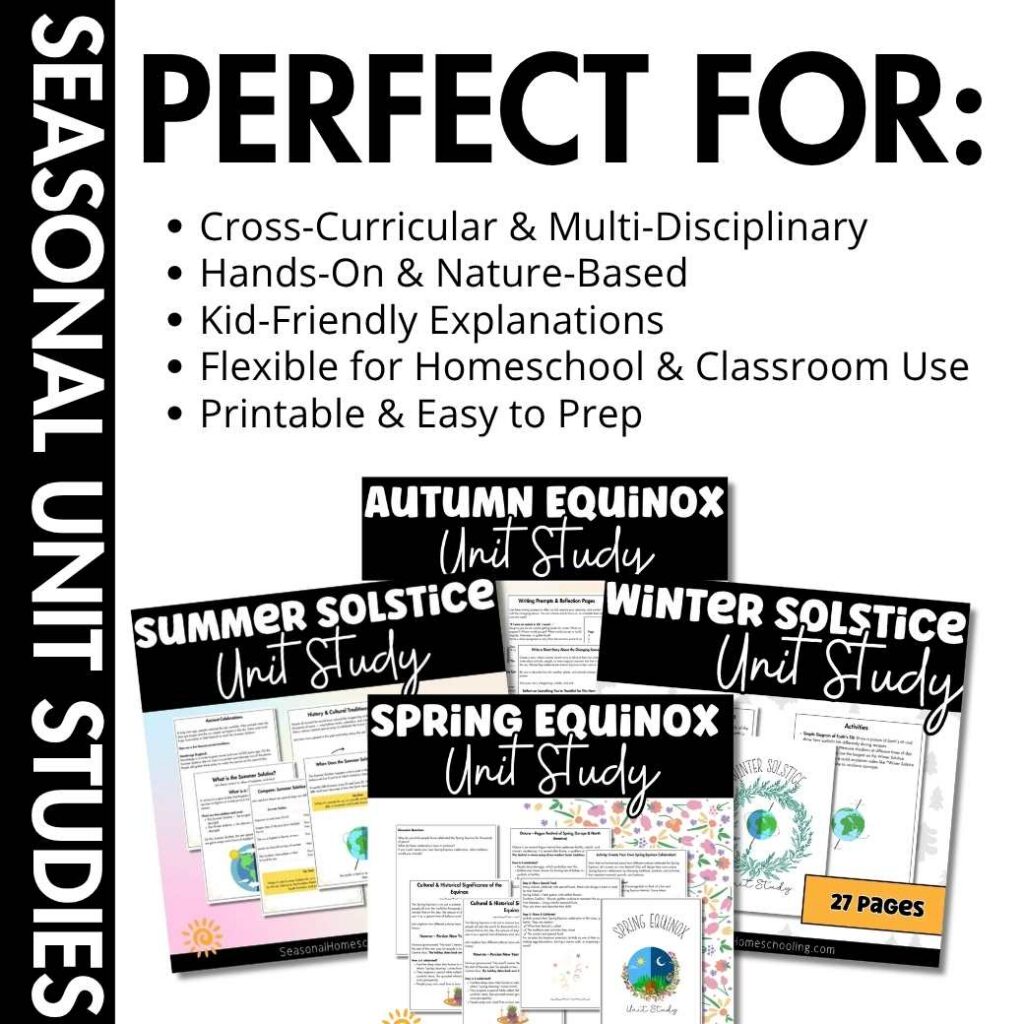
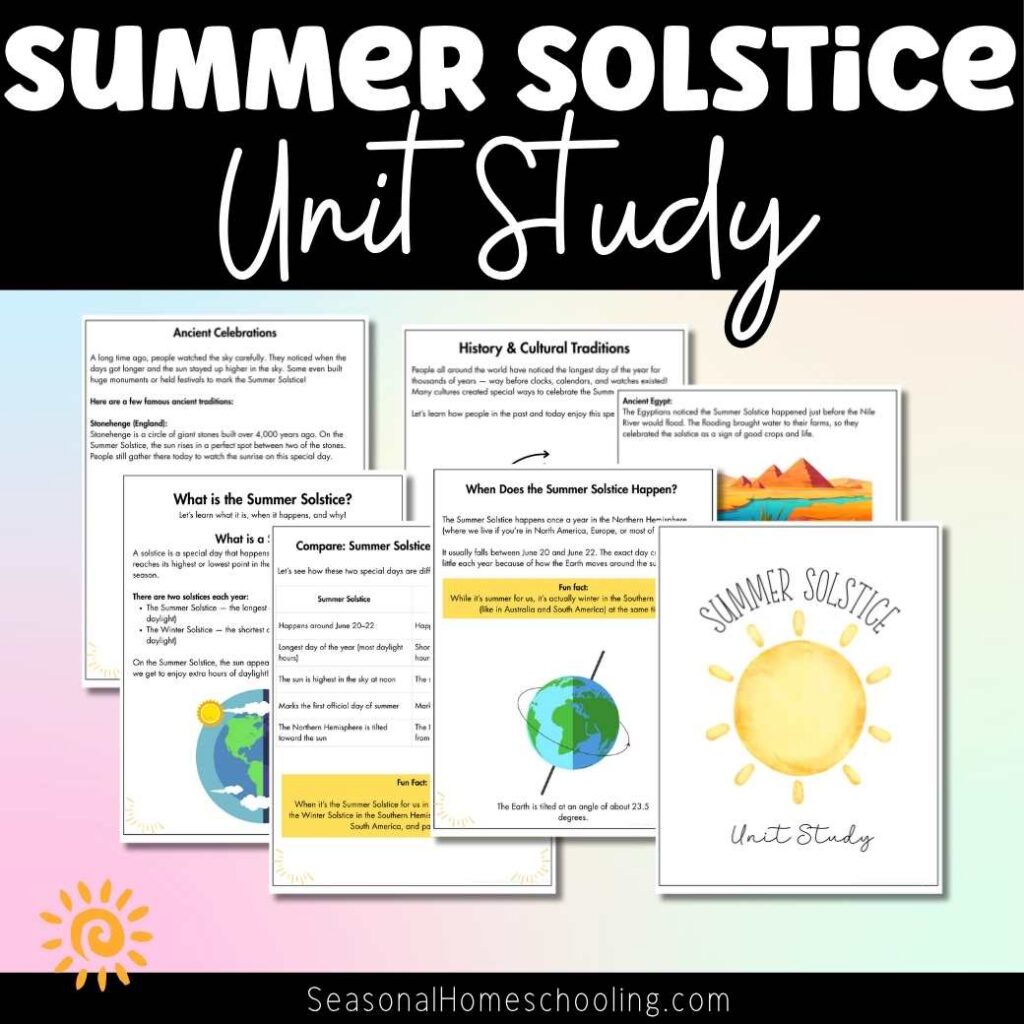
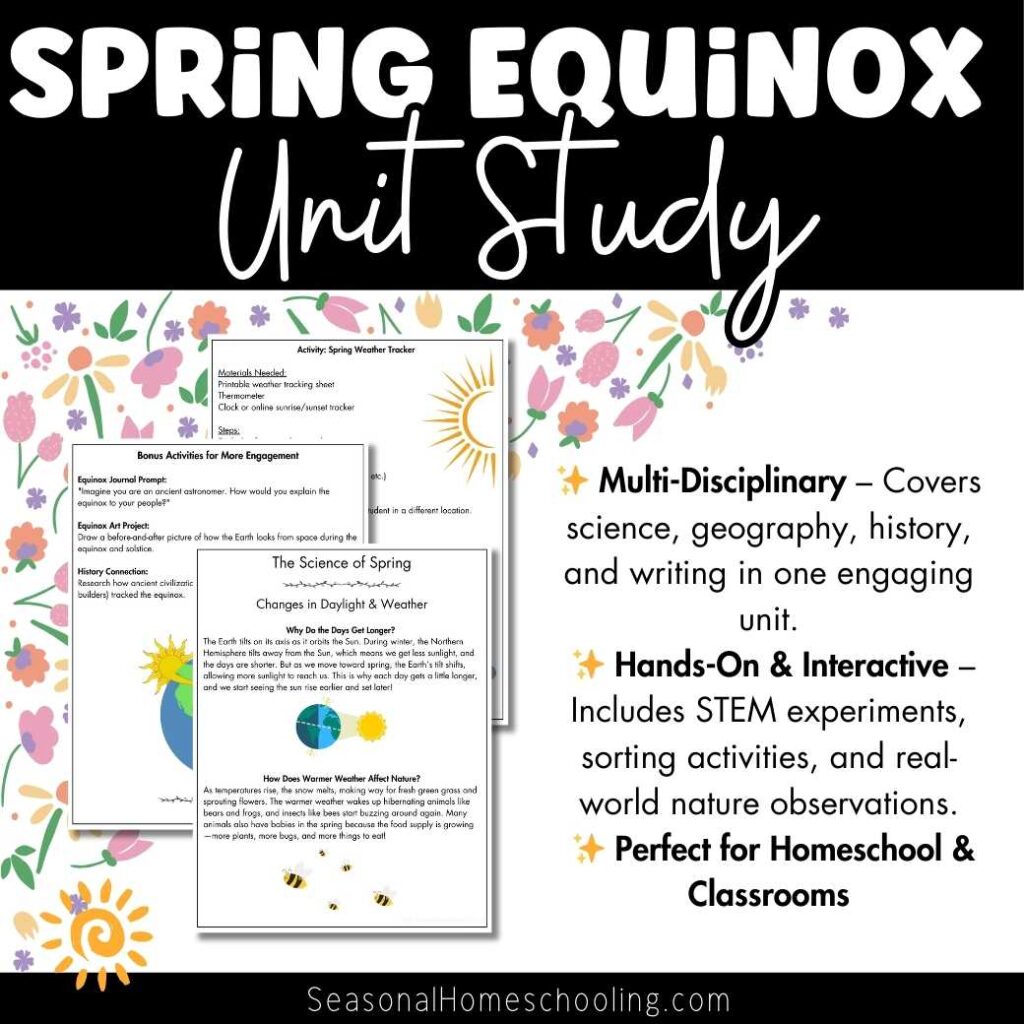
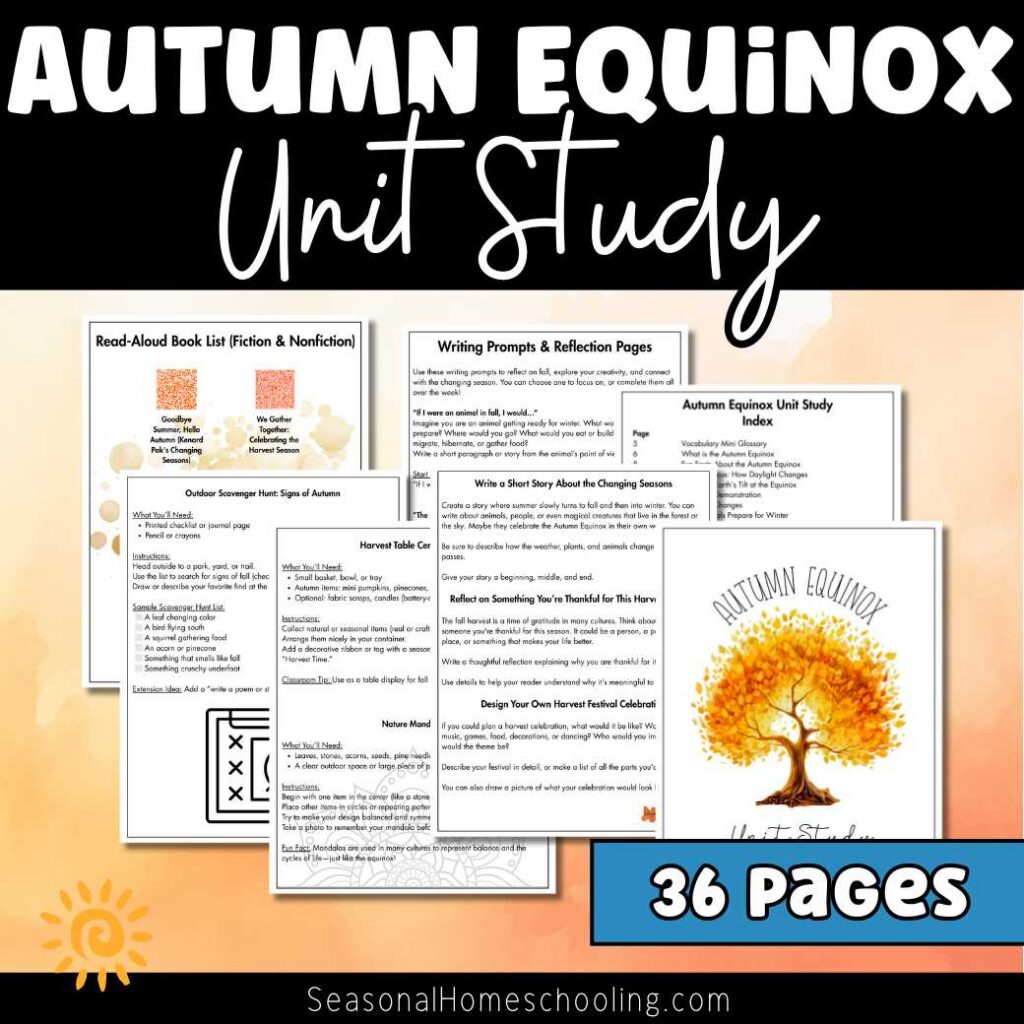

Seasonal Solstice & Equinox Unit Study Bundle | Hands-On, Cross-Curricular
Celebrate the magic of the changing seasons with this Seasonal Solstice & Equinox Unit Study Bundle, designed for upper elementary students! This engaging, cross-curricular resource combines science, history, literacy, art, nature study, and hands-on activities to help students explore the Winter Solstice, Spring Equinox, Summer Solstice, and Autumn Equinox in meaningful and memorable ways.
Explore Life Cycles Through Hands-On Learning
Life cycles are one of the most engaging nature study topics for elementary students because children can observe real changes happening over time. Choose one life cycle per season to make things easy on yourself. Pick one that matches the season, and what you can observe outside where you live.
Spring would be the perfect time for us to learn more about the frog life cycle because we can walk to the lake and see frog eggs and basically watch the whole cycle.
Hands-on ideas:
- Draw each stage
- Create sequencing cards
- Watch videos and documentaries
- Raise caterpillars
- Plant seeds
- Compare animal habitats
Great resources to pair with these studies:
- Butterfly Life Cycle Printables
- Frog Life Cycle Printables
- Chicken Life Cycle Printables
- Worm Life Cycle Printables
- Shark Life Cycle Printables
- Reindeer Life Cycle Unit
- Groundhog Life Cycle Unit
- Pumpkin Life Cycle | Pumpkin Life Cycle of A Plant | Plant Life Cycle Activities
Life cycles naturally encourage patience, observation, and scientific thinking.

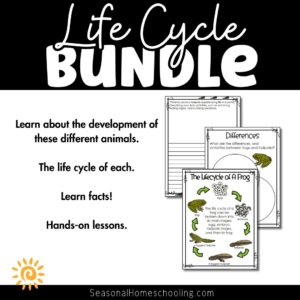
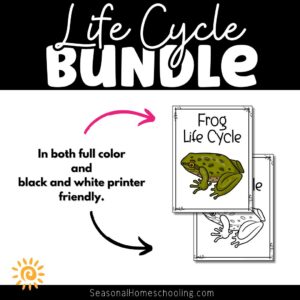
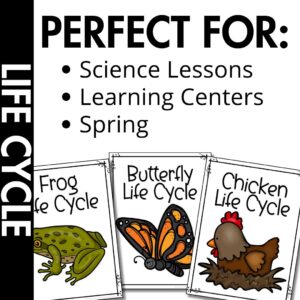

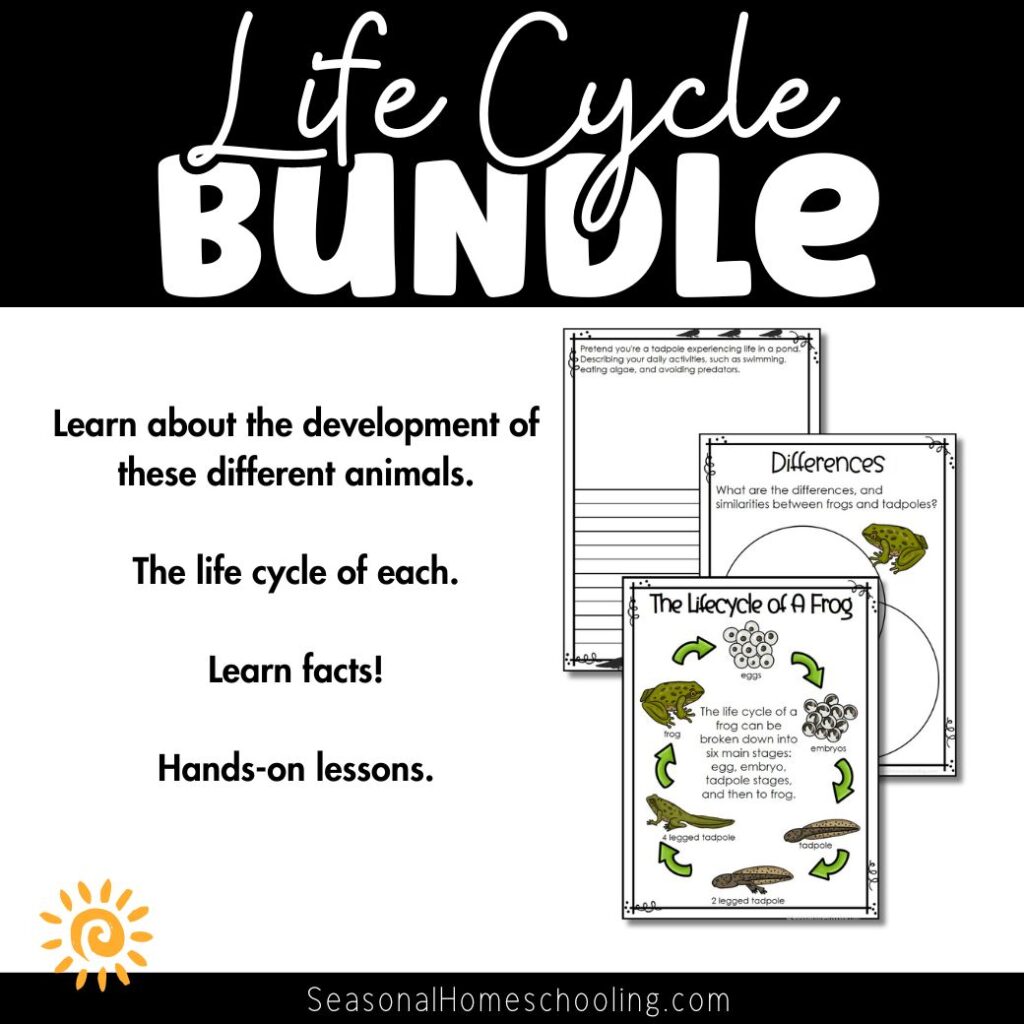
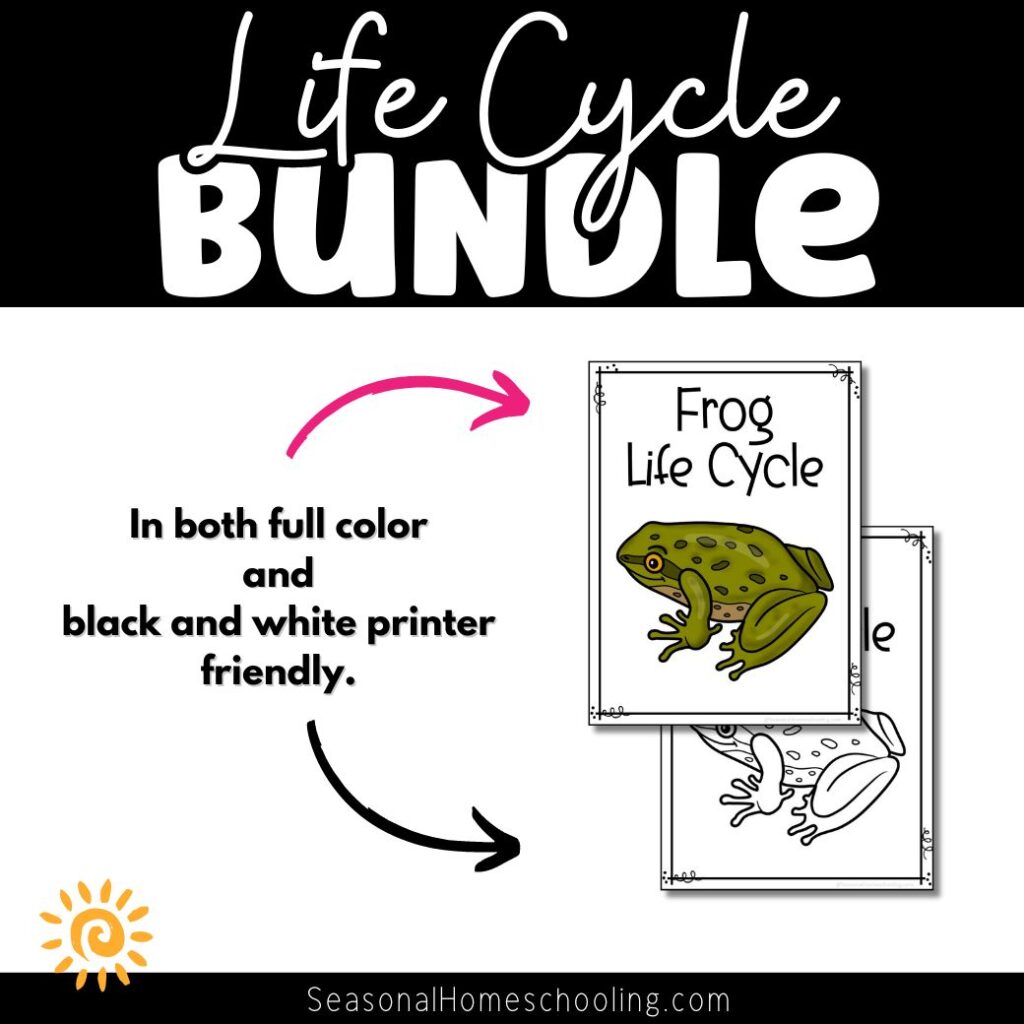

Life Cycle Bundle – Animal Life Cycles Printable Sets
Engage your students in the wonders of nature with our comprehensive “Explore, Learn, and Grow Bundle” featuring five life cycle printable sets. Perfect for educators seeking interactive and hands-on resources.
Start a Simple Nature Journal
Nature journaling does not need to be complicated. Children can simply draw what they see, write observations, or record interesting discoveries from outdoors.
Some easy journal prompts:
- Draw a leaf you found today
- Describe the weather
- Sketch an insect
- Write three things you hear outside
- Record moon phases
- Compare clouds
Nature journals combine science and language arts beautifully.
You can also use:
- Moon Journal for Kids
- Outdoor Reflection Cards | Nature Writing Prompts & Conversation Starters
- Nature Drawing Prompt Pages
- Abstract Drawing Prompts for Kids
These low-pressure activities work especially well for reluctant writers.

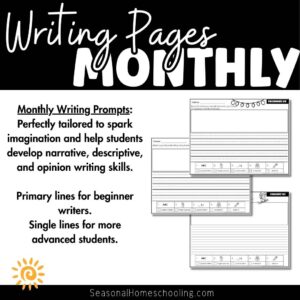
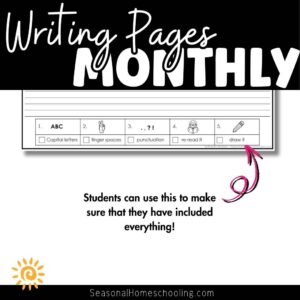
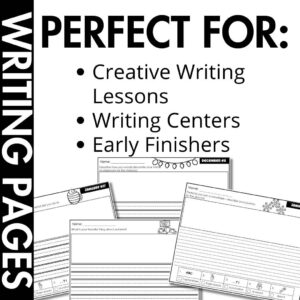
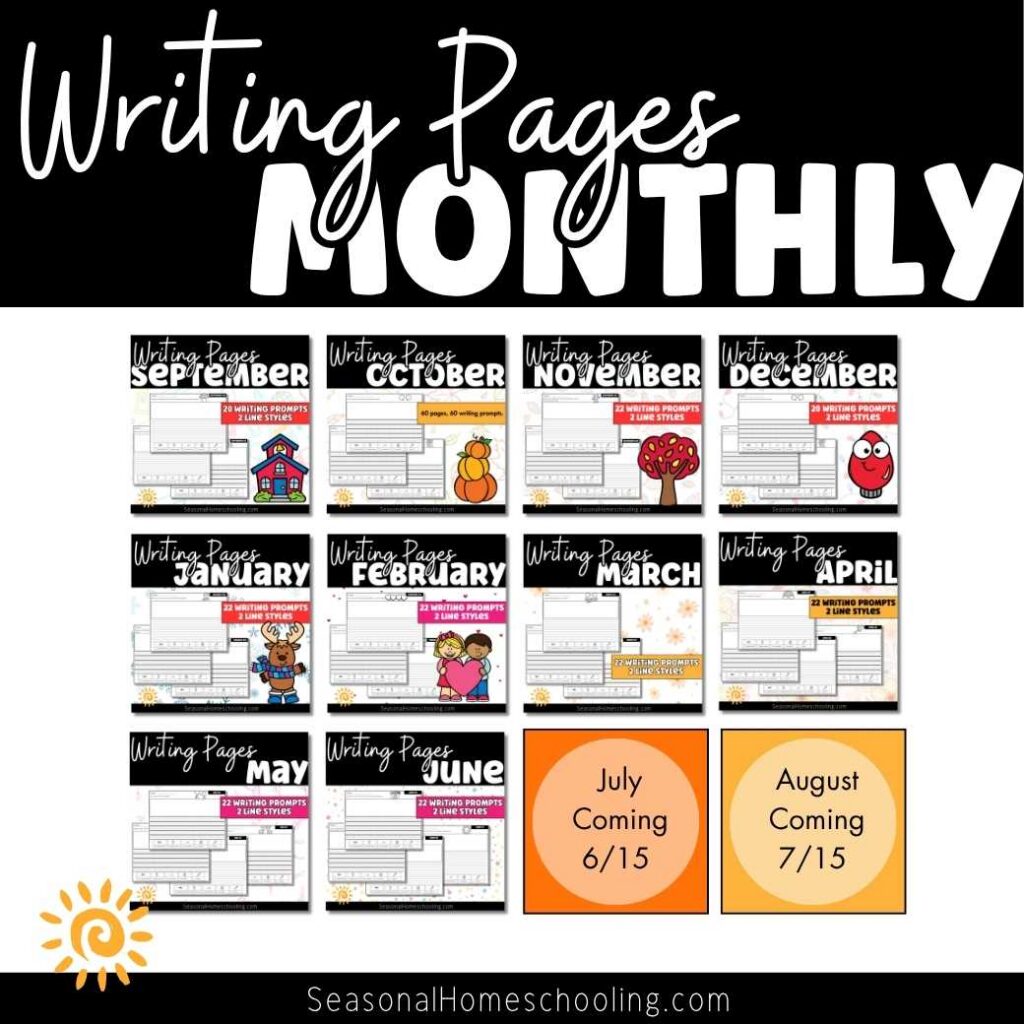
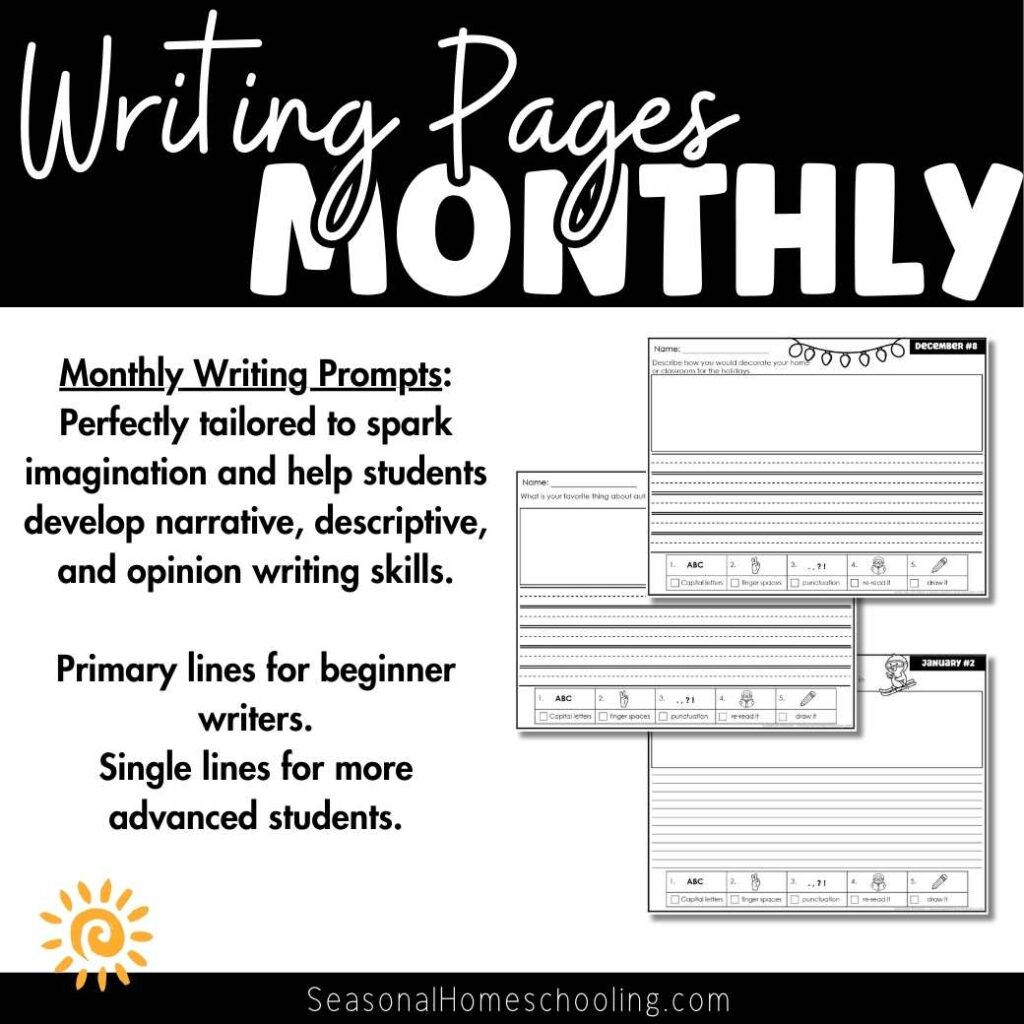
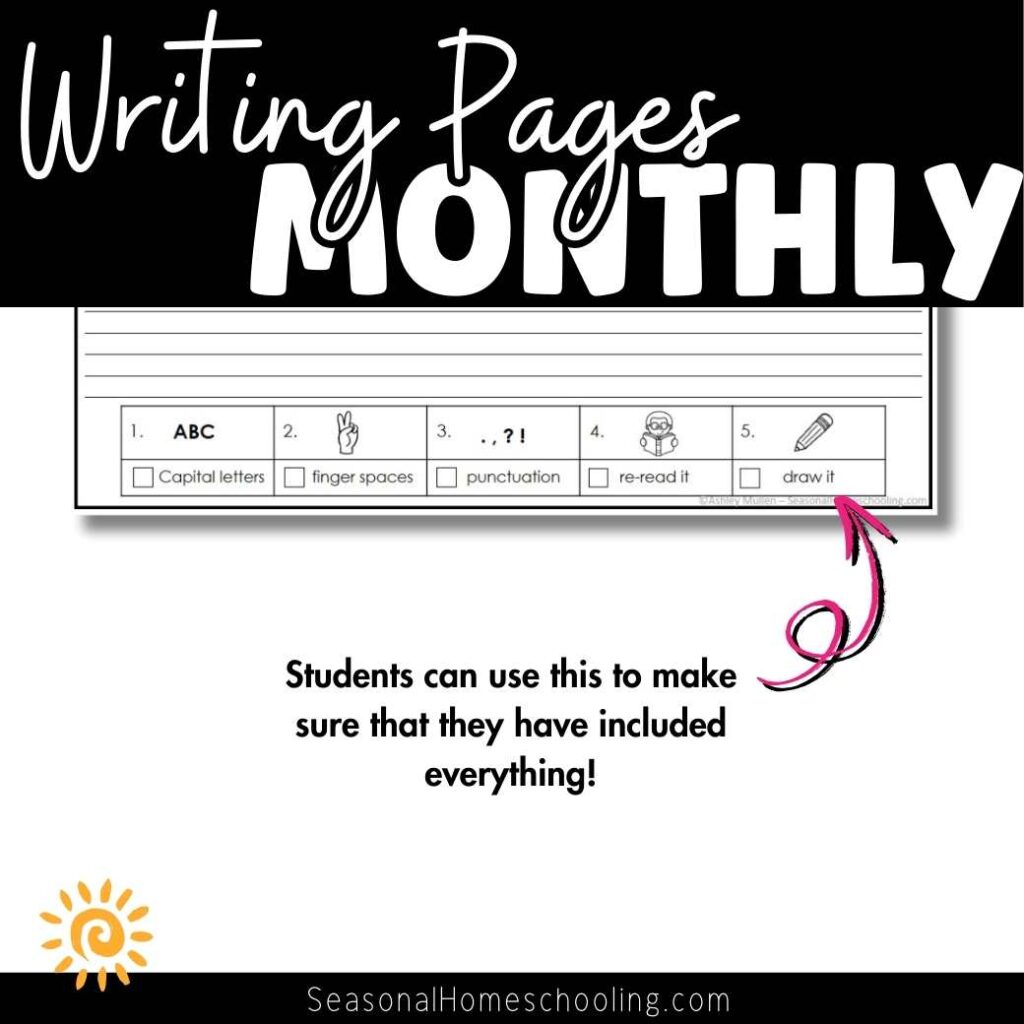
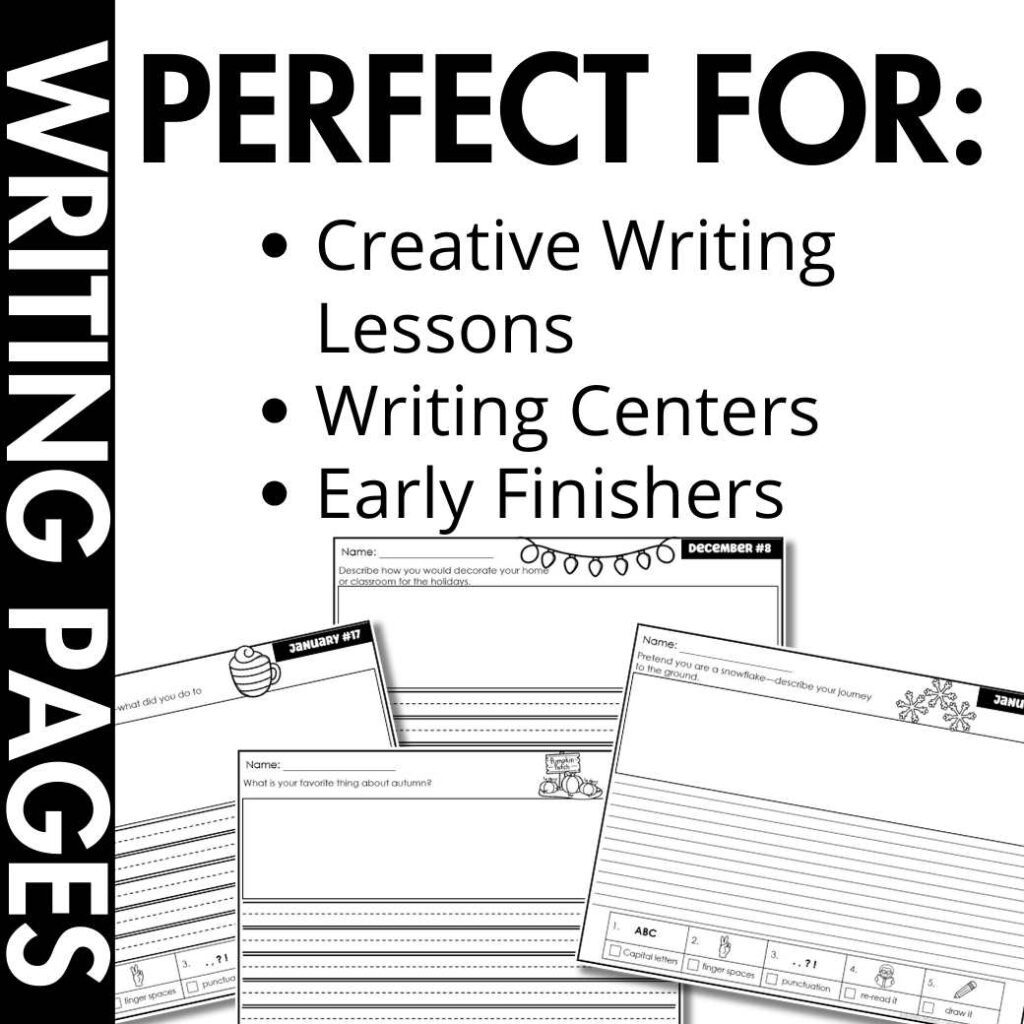
Growing Daily Journal Bundle | Daily Writing Prompts for 1st and 2nd Grade
Make writing lessons fun, engaging, and stress-free all year long with this Growing Bundle of Monthly Journal Writing Prompts! Perfect for 1st and 2nd-grade students, this bundle includes creative and skill-building prompts for every month—October, November, December, January, and beyond!
Use Themed Unit Studies
One of the easiest ways to simplify homeschool planning is by using themed unit studies. Instead of teaching every subject separately, unit studies allow children to explore one topic across multiple subjects.
For example:
- Read books about birds
- Write bird observations
- Study habitats
- Create bird art
- Practice bird-themed vocabulary
Some excellent nature-based themes include:
- Avian Wonders: Comprehensive Bird Unit Study
- Arctic Fox Unit Study
- Winter Animal Habitats & Adaptations Unit Study
- Plants, Gardening & Harvest Science for Grades 3–5
Unit studies make learning feel connected and often reduce prep time significantly.
Add Nature Study to Subjects You Already Teach
Nature study does not have to be a separate subject. You can easily weave it into your current homeschool routine.
Writing
Use nature-themed prompts and storytelling activities:
Math
Use counting and graphing activities with seasonal themes:
Science
Pair studies with hands-on observation:
This approach helps nature study feel natural rather than “one more thing.”
Nature Study Does Not Need to Be Perfect
Some weeks, your nature study may be an elaborate outdoor adventure. Other weeks, it may simply be watching birds through the window while drinking coffee, which is perfect for rainy spring days.
Both count.
Children learn so much through simple observation, curiosity, and regular exposure to the natural world. The goal is not to create perfect lessons — it is to help children notice, explore, and appreciate the world around them.
Even small moments outside can become meaningful learning experiences that your children will remember for years.
Want More?
Tips for Getting Started with Nature Study